Why Location Outweighs Property Type
STR demand is driven by factors property features can't override: tourism patterns and visitor preferences, business travel flows and corporate concentrations, walkability, beach access, and lifestyle appeal, and landmark proximity and area prestige.
A well-located average apartment often outperforms a premium apartment in a weak location. Location creates the opportunity ceiling; execution determines how much of it you capture.
Palm Jumeirah: Luxury-Led, High-Stakes
Palm Jumeirah is Dubai's most iconic address with private beaches, Atlantis proximity, and global recognition. It attracts high-net-worth travellers, families seeking exclusivity, and celebratory stays.
Nightly rates range from AED 2,500 to AED 15,000 or more for villas. Strong peak-season demand continues year-round from the luxury segment. However, operational complexity is highest, premium management is essential, significant furnishing investment is required, and guest expectations are uncompromising.
Best for owners prioritising premium positioning who are comfortable with luxury-grade investment and management.
.avif)

Dubai Marina: Reliable All-Rounder
The Marina is a waterfront lifestyle hub with dining, nightlife, and walkable energy attracting tourists, business travellers, and relocators with a diverse demand base.
Strong year-round occupancy, moderate rate premiums, and less seasonal volatility than pure tourist areas characterise performance. High listing competition means differentiation requires quality execution. Building rules vary significantly.
Best for investors seeking consistent performance without luxury complexity — solid returns with manageable operational demands.
JBR: Beach-First, High-Velocity
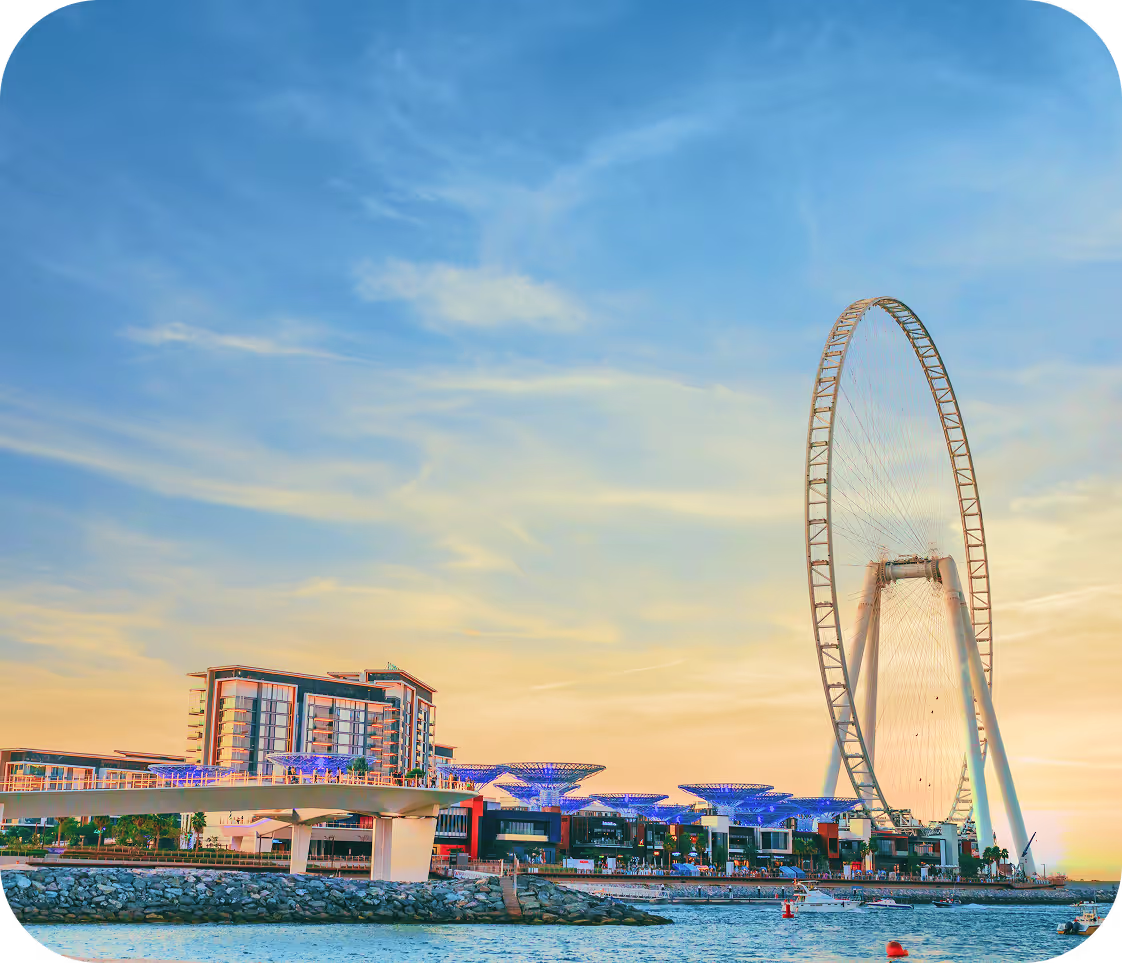
JBR offers direct beach access with The Walk promenade and family-friendly atmosphere. It attracts leisure travellers, families, and beach-focused holidaymakers.
1-bed units generate approximately AED 292,000 annually. 3-bed units reach approximately AED 436,000 annually. High booking velocity with shorter stays means highest turnover intensity where operational efficiency is essential. Strong peak-season performance is balanced by weekend nightlife creating noise considerations.
Best for owners embracing high-turnover model seeking beach tourism exposure with professional management support.


Downtown Dubai: Landmark Premium
Downtown features Burj Khalifa, Dubai Mall, and Dubai Fountain with global landmark concentration. Corporate and leisure crossover, experience-seekers, and premium travellers are attracted.
A 3-bed with Burj view generated AED 442,000 annually representing 44% ROI. Strong average daily rates serve corporate demand alongside tourism. Premium pricing requires premium execution. View quality dramatically affects performance. High guest expectations face competition from quality stock.
Best for investors targeting premium returns in iconic location willing to invest in quality positioning.
Business Bay: Corporate Consistency
Business Bay has Dubai Canal waterfront, metro connectivity, and corporate neighbourhood feel. Business travellers, conference attendees, and relocating professionals form the guest base.
Stable year-round demand with weekday-weighted bookings shows less seasonal volatility. Corporate repeat booking potential exists. Lower peak-season upside than tourist areas requires business-appropriate setup but is less exciting while more predictable.
Best for investors prioritising stability over maximum returns seeking predictable corporate-driven income.


Understanding Demand Drivers
Palm Jumeirah is powered by exclusivity, villas, and resort lifestyle. Dubai Marina by lifestyle, walkability, and views. JBR by beach access and family-friendly stays. Downtown by landmarks, proximity, and prestige. Business Bay by corporate proximity and transport access.
Aligning property selection with demand drivers is essential.
Operational Intensity Comparison
Higher intensity characterises Palm Jumeirah with luxury standards and villa complexity, JBR with high turnover and volume handling, and Downtown with premium expectations. Moderate intensity applies to Dubai Marina with balanced demands. Lower intensity suits Business Bay with professional guests and predictable patterns.
Operational capability must match area demands.


Risk Factors Across Areas
Universal risks include DTCM regulatory requirements, building-level STR restrictions, and market demand fluctuations.

Area-specific risks include Palm's high investment exposure and luxury execution requirements, Marina's competition saturation, JBR's turnover intensity and noise management, Downtown's premium expectations and view dependency, and Business Bay's corporate demand correlation.
Professional management mitigates operational risks across all areas.
Evaluating Business Bay Investment
If you're considering or already operating a Business Bay STR, key questions include building permission for holiday home use, unit suitability for corporate traveller needs, realistic revenue for your specific property, and access to corporate booking channels.
A strategy review can clarify pricing, demand fit, and revenue potential.
Look for a partner who’s proactive, transparent, and aligned with your goals.