The Model: Flexibility by Design
Short-term rentals are inherently flexible — which makes them ideal for limited personal use.
You set blackout dates for your own stays. Your property earns rental income during available periods. You retain priority access whenever you want. And the calendar adjusts to your schedule, not the reverse.
Unlike long-term leases, there's no tenant to work around. Unlike leaving it empty, there's income being generated.
Usage Patterns That Work
Most second-home owners follow predictable patterns. Typical usage includes 2-4 weeks during winter from November to March, school holiday periods, occasional short visits throughout the year — totalling typically 2-8 weeks annually.
That leaves 44-50 weeks remaining for rental. That's more than enough for meaningful income. Even accounting for gaps between bookings, the opportunity is substantial.
Personal use doesn't prevent strong rental performance. It just requires coordinated calendar management.
Income Potential: Real Expectations
A property generating AED 200,000 with full availability might generate AED 170,000-185,000 with 6 weeks of owner blackouts — still significant income from an otherwise idle asset.
Properties achieve 94% occupancy during available dates when professionally managed. Revenue is proportional to annual potential minus blackout periods.
Personal use reduces maximum revenue slightly. It doesn't eliminate the opportunity.
Protecting Your Personal Stays
Your property remains your home. Protecting that feeling requires attention.
For blackout management, set personal dates well in advance. Professional systems block these automatically. Buffer periods before and after owner stays prevent overlap.
For personal items, secure storage for belongings during rental periods and transition protocols for switching between guest and owner use ensure your property feels yours when you arrive.
For condition standards, hotel-grade cleaning before your arrival and property configured for your preferences makes every return feel right.

Operational Reality
Moving between personal use and guest stays requires precision.
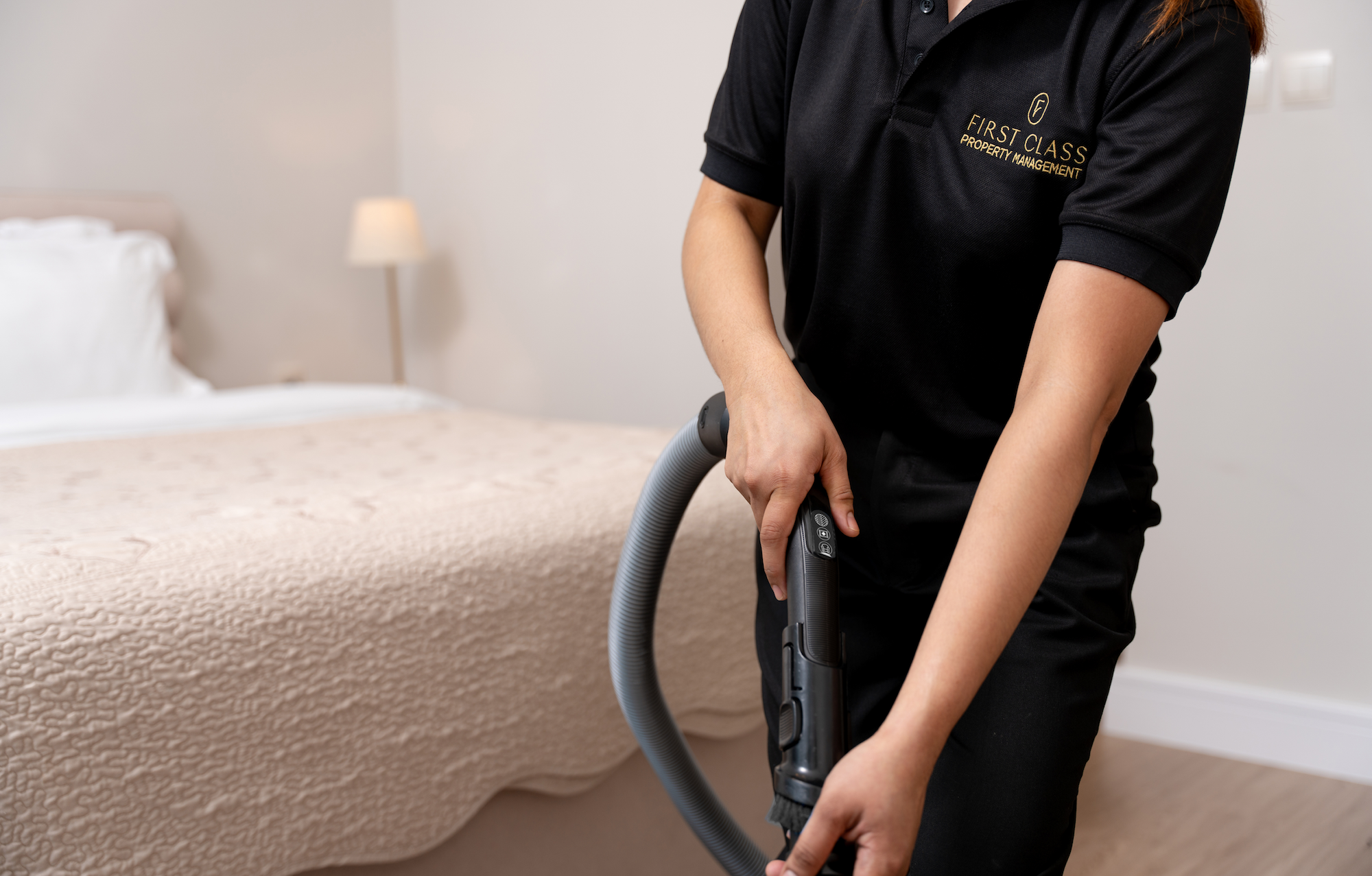
After every guest, professional deep cleaning occurs along with linen replacement, inspection and quality check, restocking essentials, and addressing minor maintenance. Before your arrival, the same standards apply — personal items become accessible and the property is configured for your preferences.
Throughout, DTCM registration covers every guest stay, tourism fees are handled correctly, and the licence is maintained regardless of usage pattern.
This coordination is exactly what professional management provides.
Property Care: Better Than Empty
Counter to expectation, rented properties are often better maintained than vacant ones.
Regular inspections catch issues early. Air conditioning runs regularly, which is crucial in Dubai. Plumbing and fixtures stay active. Cleaning prevents accumulation of dust and deterioration. And professional attention identifies problems before they grow.
Unoccupied properties in Dubai often suffer from disuse. AC systems need regular operation. Plumbing can develop issues without use. Small problems become large without regular attention.
Rental use, properly managed, preserves rather than depletes your asset.


Who This Model Suits
This approach works well for owners who visit Dubai periodically but not frequently, want income from otherwise idle periods, value flexibility over maximum yield, are comfortable with professional guest management, and prioritise keeping the property as a personal retreat.
It may suit less well for owners who want zero guest usage of their home, prefer long-term tenant simplicity, are uncomfortable with any operational complexity, or visit so frequently that rental periods are minimal.
Understanding your priorities ensures the right approach.
Making It Work
Successful mixed-use ownership requires clear boundaries with personal use periods defined well in advance, professional management handling operations without owner involvement, quality standards ensuring consistent experience for guests that protects reviews and reputation, communication providing transparent reporting on bookings, income, and property status, and flexibility through systems that adapt as usage patterns change.


The Outcome
With the right structure, your Dubai property pays for itself or better. You have full access whenever you want. The asset remains maintained and protected. And ownership becomes an asset rather than a liability.
This is what smart second-home ownership looks like.
Explore Flexible Rental Options
Interested in earning income from your Dubai property while keeping it available for personal use? A consultation can clarify how flexible rental structures work for your specific property and usage pattern.
Look for a partner who’s proactive, transparent, and aligned with your goals.