How to Start a Short-Term Rental Business in Dubai (Owner Guide)

9 min read

The Opportunity — and What It Actually Takes

Dubai's short-term rental market attracts property owners for obvious reasons: millions of annual visitors, strong nightly rates, and returns that consistently outperform long-term leasing.

But the gap between opportunity and execution is where most owners stumble. Licensing requirements, setup costs, pricing strategy, and operational demands all need to be addressed before a single guest checks in.

This guide covers what's actually involved — from DTCM compliance to property preparation — so you can enter the market with realistic expectations and a clear plan.

Licensing: The Non-Negotiable First Step

Before listing on Airbnb, Booking.com, or any platform, you need a holiday home licence from the Dubai Department of Tourism and Commerce Marketing (DTCM). This isn't optional. Properties operating without proper licensing face fines, forced delisting, and potential legal action.

The process itself is straightforward. With correct documentation, most permits are approved within two weeks. The challenge isn't complexity — it's ensuring nothing is missed during submission. You'll need a valid title deed, owner identification, property photos meeting DTCM standards, and building approvals where required.


Starting with compliance protects everything that follows.

Setup Costs: What to Budget For

Launching a short-term rental requires upfront investment beyond the licence fee. Furnishing and interiors represent the largest expense — a 3-bedroom villa typically requires AED 120,000–135,000 for quality furnishing, with apartments varying by size and positioning.

Professional photography is essential rather than optional, as listing images directly impact bookings. You'll also need to budget for initial maintenance to ensure everything works before the first guest arrives, plus compliance fees covering DTCM licensing and any building-specific requirements.

These costs feel significant upfront, but the revenue potential justifies the investment when executed well.

Revenue Potential: Real Numbers

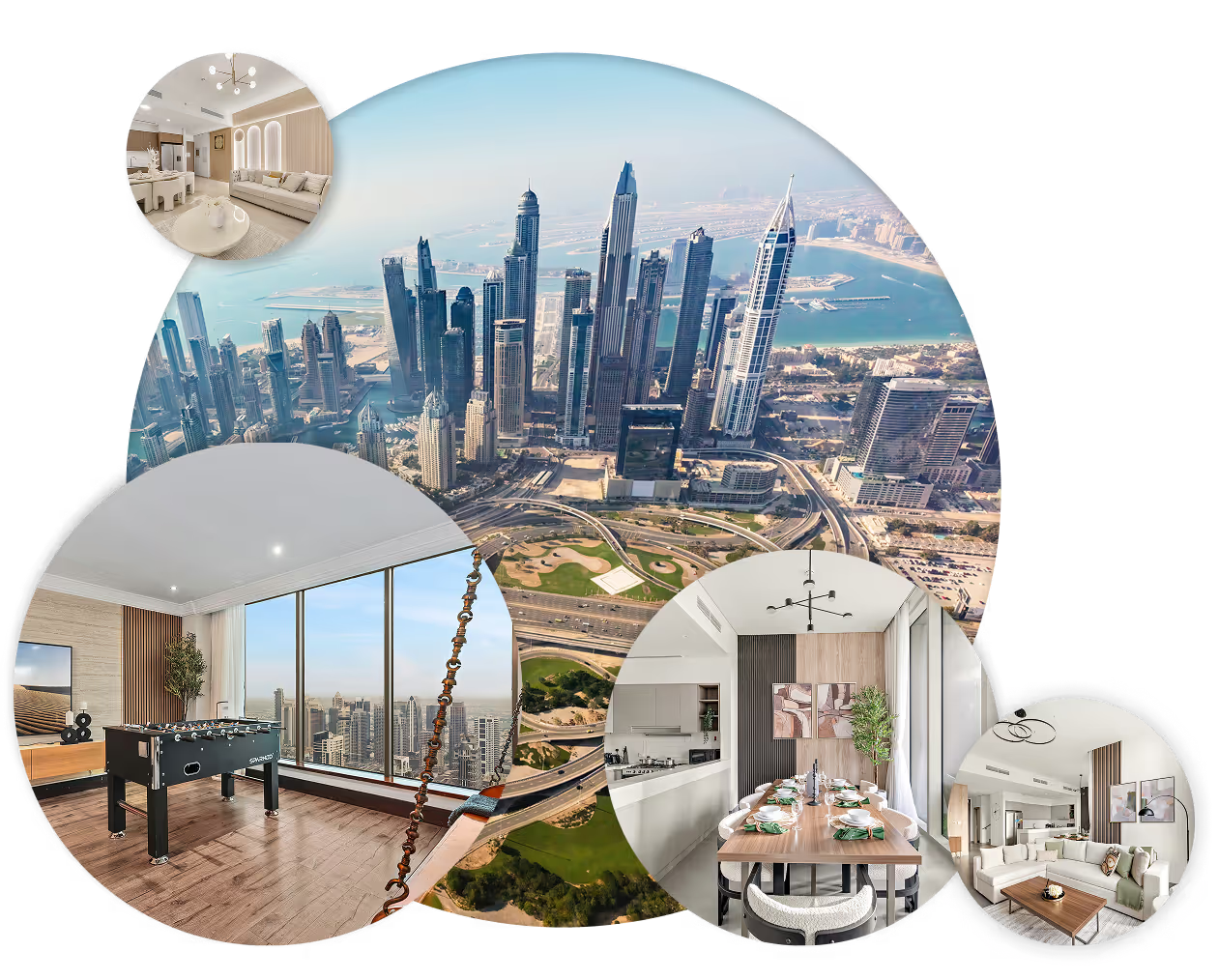
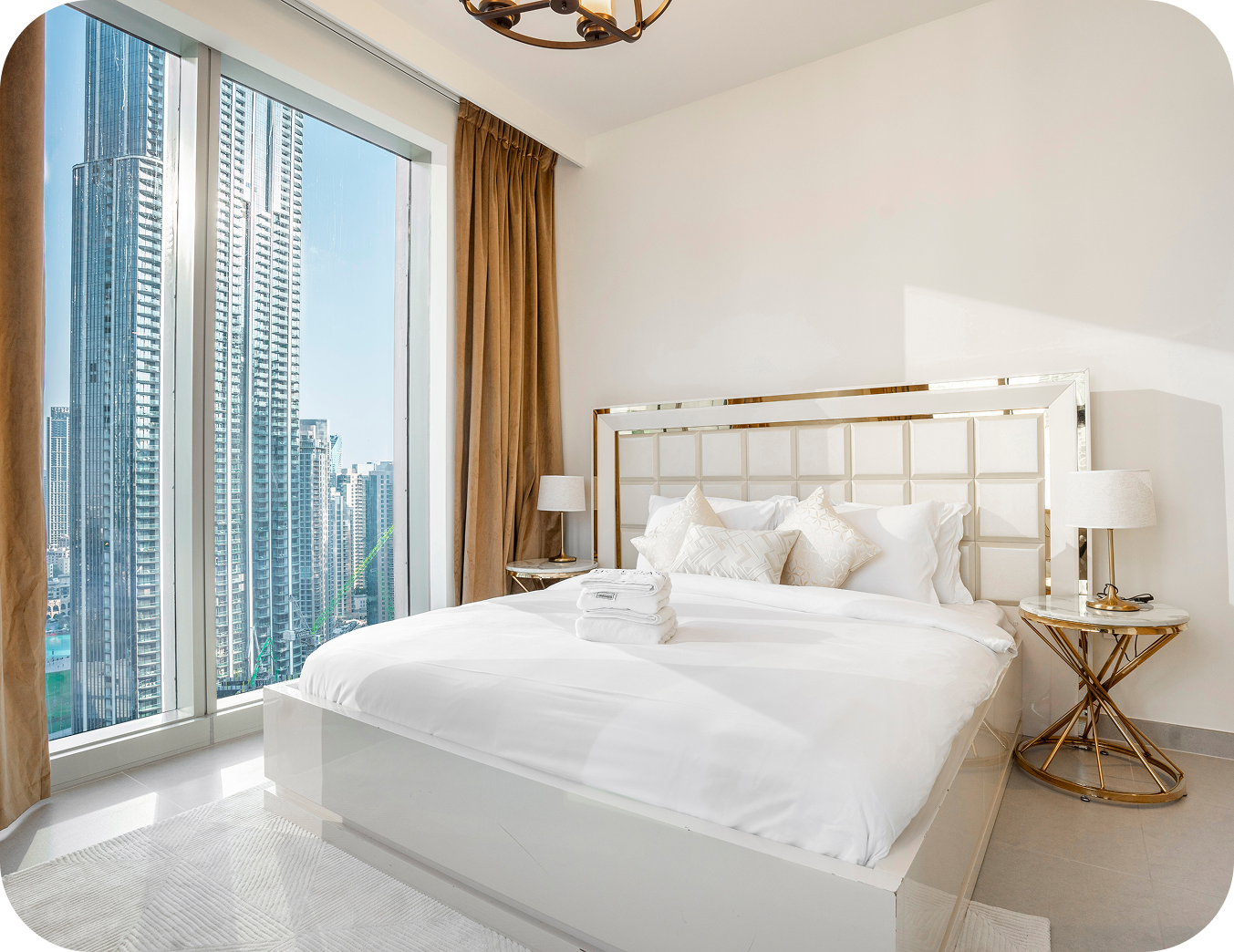
Short-term rentals in prime Dubai locations consistently outperform long-term leases. A JBR 1-bedroom apartment with partial sea view generated AED 292,000 in annual revenue. A Downtown 3-bedroom with Burj Khalifa views achieved AED 442,000 annually — approximately 44% total ROI.


On average, well-managed short-term rentals generate 27% higher returns than equivalent long-term leases in the same buildings. The difference comes from premium nightly rates, dynamic pricing during peak periods, and the flexibility to adjust strategy as market conditions shift.

Property Preparation: What Guests Actually Expect

First impressions drive bookings and reviews. Guests compare your listing to hotels — and their expectations reflect that.

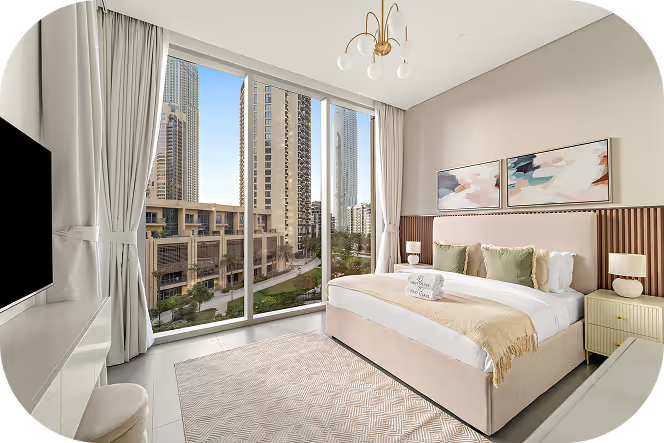
Furniture quality matters more than most owners realise. You need durable pieces that photograph well and withstand turnover. Interiors should be neutral with broad appeal rather than polarising design choices. Kitchens must be fully equipped — guests expect to cook, not just reheat. Hotel-grade linens affect reviews disproportionately, and stocked essentials including toiletries, cleaning supplies, and kitchen basics signal professionalism.
Properties prepared to these standards achieve higher occupancy, stronger reviews, and better nightly rates.

Pricing: The Difference Between Good and Great Returns

Static pricing leaves money on the table. Dubai's short-term rental market fluctuates constantly based on seasonality (November to March commands premium rates), local events (exhibitions, holidays, and major occasions spike demand), day-of-week patterns (which vary by location), and competitor pricing and availability.

Dynamic pricing adjusts rates continuously based on these factors. Properties using sophisticated pricing strategies consistently outperform those with fixed rates — often by significant margins.

Marketing: Getting Found and Getting Booked

Listing a property isn't enough. Visibility requires deliberate effort.

Effective marketing means distributing across multiple platforms including Airbnb, Booking.com, Expedia, VRBO, and direct channels. Professional photography is the single biggest factor in click-through rates. Descriptions should be benefit-focused, addressing what guests actually care about. And review velocity matters — early positive reviews compound visibility and trust over time.

The best properties aren't just listed — they're positioned to capture demand wherever guests search.

Compliance Beyond Licensing

The DTCM licence is the beginning, not the end, of compliance. Every stay must be registered with guest identification recorded. Tourism fees are charged per night, per bedroom, and must be remitted accurately. Safety standards including smoke detectors, secure access, and emergency information are required. And you need insurance coverage appropriate for short-term rental activity.

Compliance failures don't just risk fines — they can result in licence suspension and platform removal. Continuous attention is required.

The Self-Management Question

Many owners assume they'll manage the property themselves. Few anticipate the actual workload.

Self-management means handling guest enquiries and booking management, coordinating check-ins and key handovers, scheduling cleaning and maintaining quality control, responding to maintenance issues (often at inconvenient times), making constant pricing adjustments and managing calendars, and responding to reviews while managing guest communication throughout.

Self-management works for owners with time, local presence, and tolerance for operational demands. For everyone else, it typically leads to underperformance or burnout within the first year.

When Professional Management Makes Sense

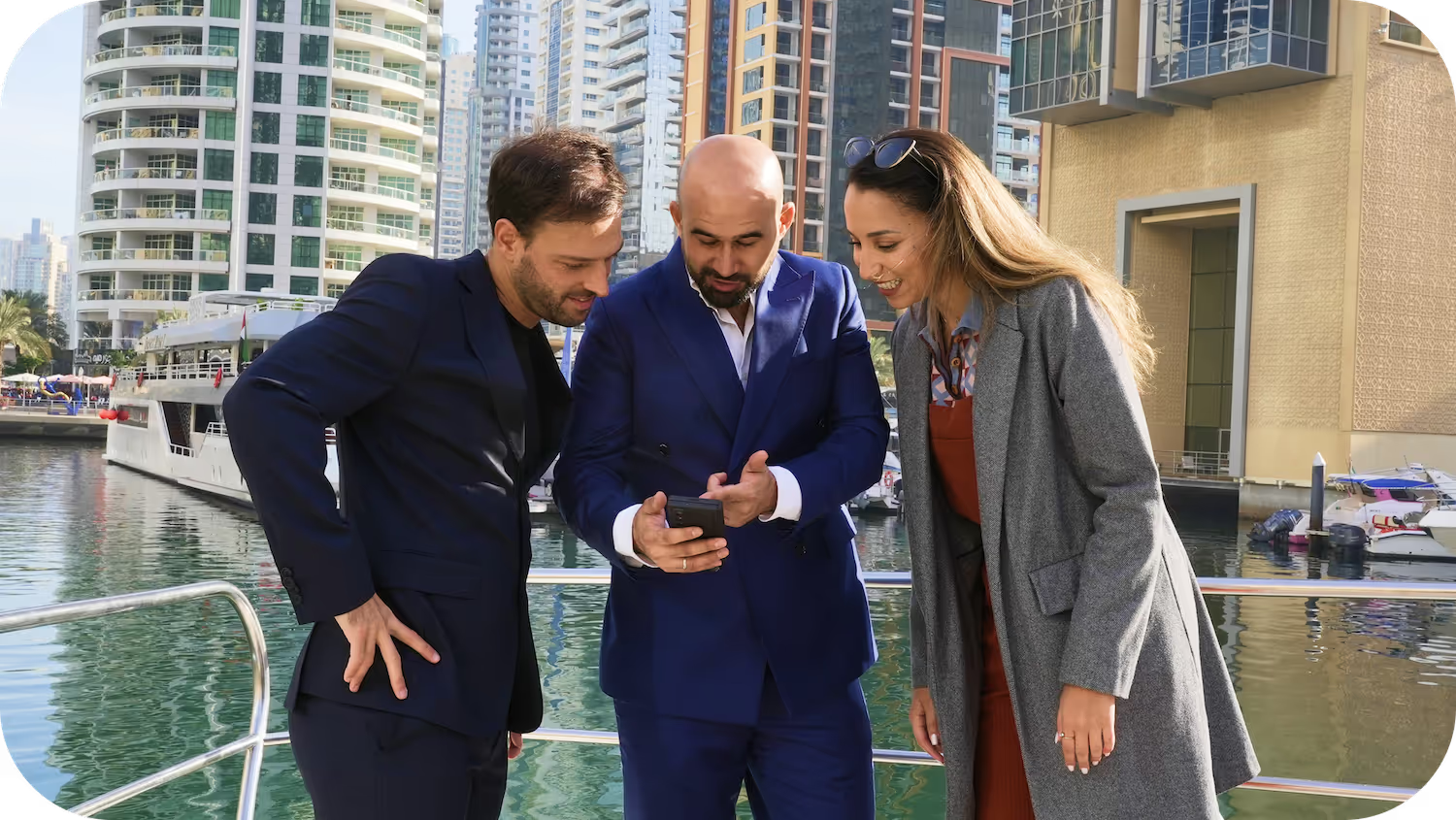
Professional management becomes valuable when you live outside Dubai or travel frequently, when you own multiple properties, when you want strong returns without daily involvement, or when compliance and risk management are priorities.

Experienced operators combine licensing expertise, pricing optimisation, guest service, and maintenance coordination — delivering results that self-managed properties rarely match.

Getting Started

Entering Dubai's short-term rental market can be highly profitable, but success requires more than listing a property and waiting.

The owners who perform best start with proper licensing and compliance, invest appropriately in preparation and furnishing, use dynamic pricing rather than fixed rates, distribute across multiple platforms, and either commit to operational excellence or partner with those who deliver it.

Understanding these requirements upfront prevents costly mistakes and positions your property for sustainable performance.

Request a Profitability Assessment

Considering a short-term rental in Dubai? A profitability assessment can clarify expected returns based on your specific property, location, and setup — before you commit to licensing and furnishing costs. Get a realistic projection tailored to your situation.