What a Holiday Home Licence Allows
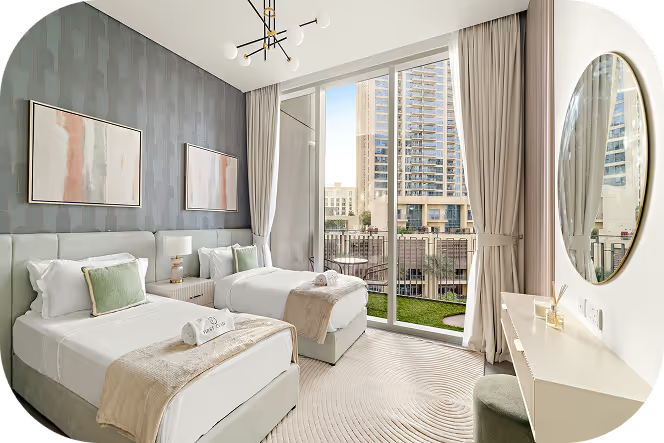
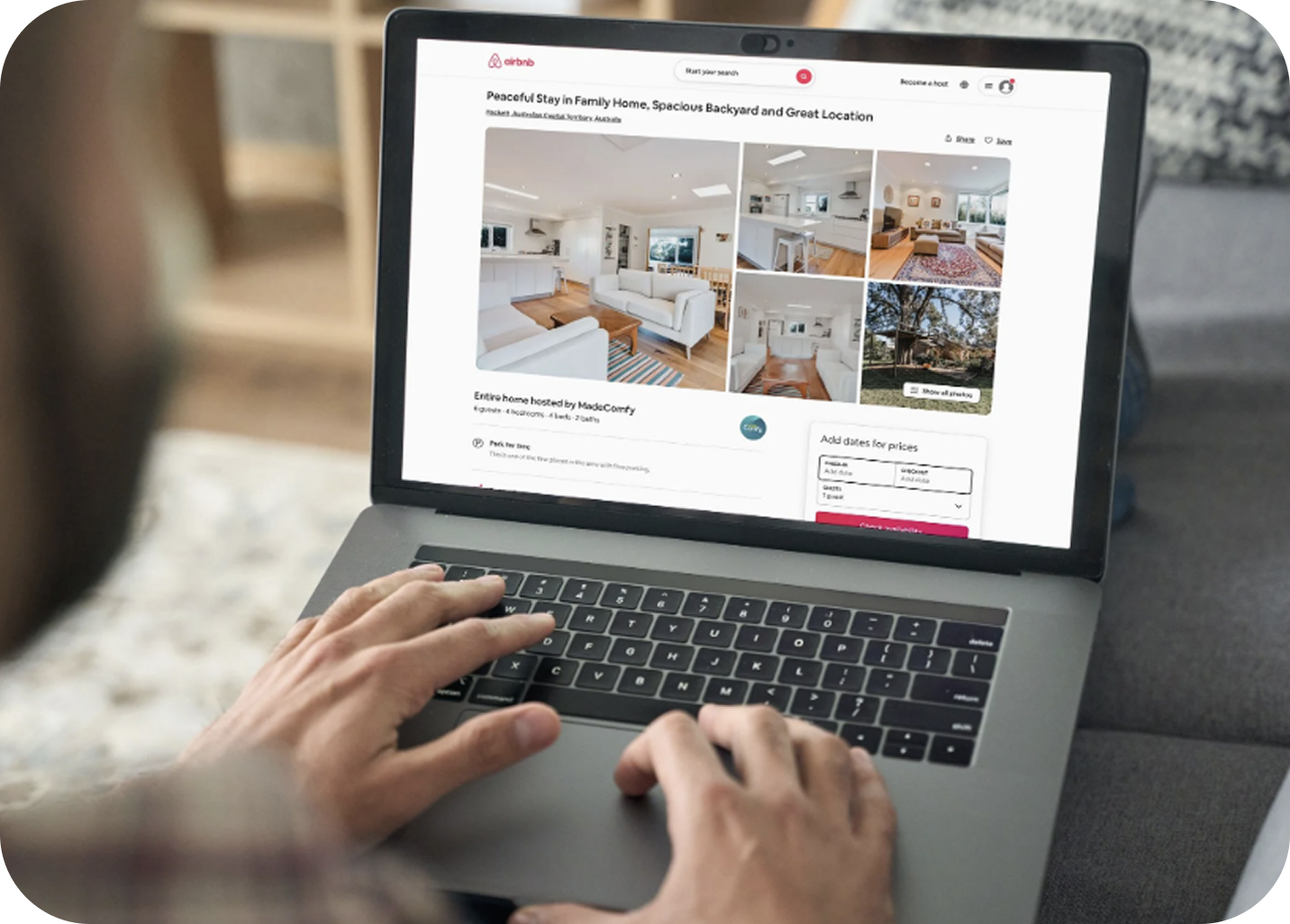
A DTCM holiday home licence authorises you to legally rent your property on a short-term basis, list on Airbnb, Booking.com, and other platforms, operate within Dubai's regulated tourism framework, and access the protections that come with legitimate operation.
It's the difference between building on solid ground and building on sand.
Who Needs a Licence
You need a licence if you rent your Dubai property for short stays (days, weeks, or months), if you list on any booking platform, if you market short-term accommodation privately, or if you operate as an individual owner or through a company.
Different rules may apply if you rent a room within your primary residence or if your arrangement doesn't qualify as "short-term rental." When in doubt, verify before proceeding. The cost of getting it wrong far exceeds the effort of confirming requirements.


The Licensing Authority
The Department of Tourism and Commerce Marketing (DTCM) is the sole authority for holiday home licensing in Dubai. DTCM issues and renews permits, sets operational standards, enforces compliance, manages guest registration systems, and collects tourism fees. All holiday home operators, regardless of size or management approach, fall under DTCM jurisdiction.
Step 1: Confirm Property Eligibility
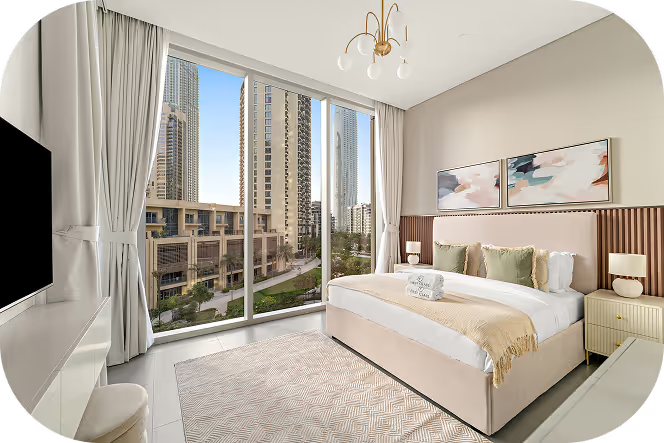
Before applying, confirm your property qualifies. Check whether the building allows short-term rentals (some prohibit them), whether the community or master developer has restrictions, whether the property meets safety and access standards, and whether classification is correct for holiday home use.
You can verify by reviewing building management policies, checking with community associations if applicable, and consulting DTCM guidance on property requirements. Discovering eligibility issues after investing in furnishing and setup is an expensive mistake.

Step 2: Gather Documentation
DTCM applications require specific documentation. Typically required items include property title deed, owner passport copy, Emirates ID if applicable, property photographs meeting DTCM standards, Building No Objection Certificate where required, and property classification details.
All documents must be current and valid. Photos must meet specific quality and content requirements. Translations may be required for non-Arabic/English documents. Incomplete or incorrect documentation is the most common cause of application delays.
Step 3: Submit Application
Applications are submitted through the DTCM online portal. You create an account or log in, complete the application form with property details, upload required documentation, pay applicable fees, and submit for review.
DTCM then reviews the submission, may request additional documentation, may schedule a property inspection, and eventually issues approval or rejection. With correct documentation, most applications are approved within approximately two weeks. Delays almost always trace back to submission quality rather than DTCM processing.

Common Application Mistakes
Documentation issues include expired documents, photos not meeting standards, missing NOC where required, and incorrect property classification. Process issues include incomplete application forms, slow response to clarification requests, applying before confirming eligibility, and assuming approval is automatic.
Each mistake adds days or weeks to the process — and some result in rejection.
After Approval: Ongoing Obligations
Licensing isn't a one-time achievement. Guest registration means every stay must be registered with DTCM, including guest identification. Tourism fees must be collected from guests and remitted accurately on schedule. Annual licence renewal is required, and lapses create immediate compliance exposure. Operational standards must be maintained including property condition, safety equipment, and service standards. And regulatory updates require staying informed and adapting accordingly.
The licence enables operation. Ongoing compliance sustains it.


Working With Licensed Operators
Property owners can operate directly or through licensed management companies.
With direct operation, the owner holds the licence, handles all compliance obligations, and manages ongoing requirements. With management company operation, properties operate under the management company's licence, compliance is handled by a professional team, and the owner benefits from established systems and processes.
Many owners find the second approach simpler and lower-risk, particularly for their first holiday home or when managing remotely.
The Cost of Getting It Wrong
Unlicensed operation creates compounding exposure including fines for each booking without valid licence, platform removal cutting off booking channels, potential legal action, reputational damage, and lost investment in furnishing and setup.
The licensing process requires effort upfront. The alternative requires dealing with consequences indefinitely.

Start the Process Right
Licensing is the foundation of successful holiday home operation in Dubai. Getting it right from the beginning protects your investment, enables platform access, establishes compliance credibility, and positions your property for sustainable performance.
If you're planning to licence a property, or want to verify an existing setup — professional guidance can streamline the process and prevent costly errors.