
What Makes Luxury Different
Luxury properties operate in a distinct category with distinct demands.
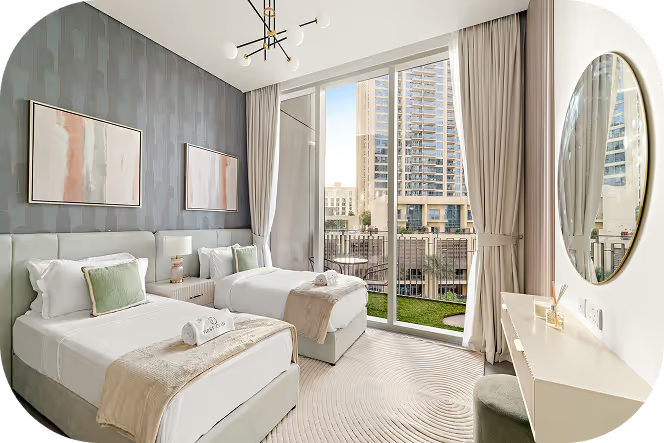
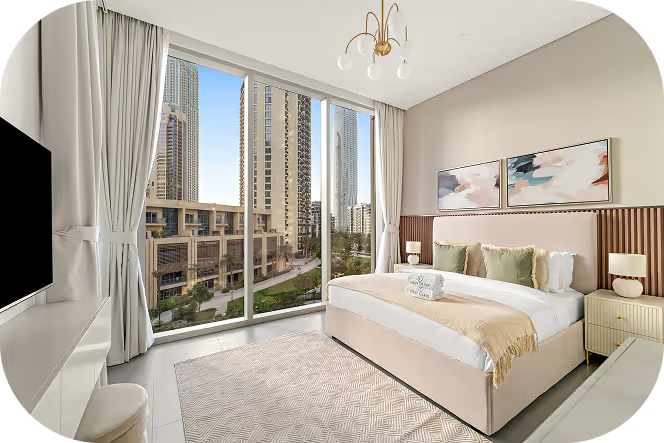
Guests paying AED 5,000–15,000+ per night expect flawless execution. They notice details. They have options. They leave reviews. High-value properties require higher-value protection, and a single incident can cause significant damage. Pools, gardens, multiple systems, and larger spaces all require more attention. And negative experiences affect not just reviews, but the owner's personal brand in many cases.
Standard property management approaches don't translate to this segment.
The Self-Management Problem
Self-managing a luxury property might seem feasible. In practice, it rarely works.
Luxury guests expect hotel-grade service, and delivering it requires training, systems, and experience most owners don't have. Issues don't respect time zones or schedules, so round-the-clock responsiveness is expected. Every turnover must be perfect and every interaction must be professional, requiring dedicated resources for consistency at this level. And managing high-value guests and high-value properties creates stress that undermines the ownership experience.
Self-management typically results in either underperformance or owner burnout — often both.

What Fully Managed Means at the Luxury Level
Fully managed services for luxury properties go beyond standard holiday home management.
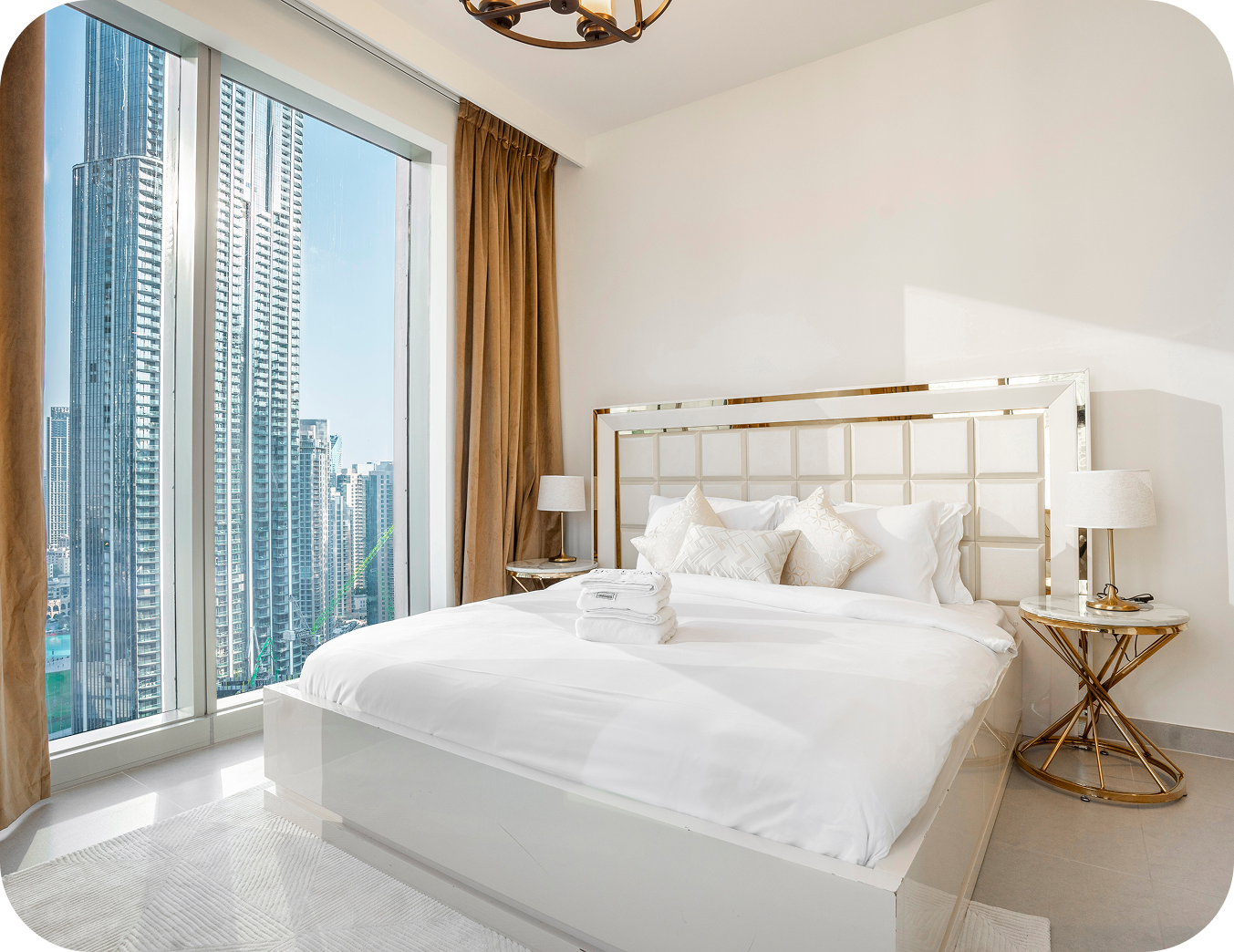
Five-star service standards mean staff trained in luxury hospitality rather than just cleaning and check-ins, white-glove turnover processes, and attention to details that distinguish exceptional from adequate. Guest screening involves verification processes appropriate for high-value properties, protecting neighbours and communities as well as the asset itself. Asset protection includes comprehensive insurance coverage, proactive maintenance preventing issues rather than reacting to them, and vetted vendors who understand luxury standards. Discretion ensures privacy protection for both owners and guests with controlled access and information handling. And premium positioning means marketing and presentation that attracts appropriate guests at appropriate rates.
Brand Perception and Market Position
Luxury properties compete on perception as much as features.
Review quality and consistency, listing presentation and photography, response professionalism, and service delivery at every touchpoint all shape perception. Inconsistent experiences, unprofessional communication, quality gaps between listing and reality, and negative reviews, even a single one, can significantly damage luxury positioning.
Professional management protects brand positioning — an asset as valuable as the property itself.

The Partnership Model
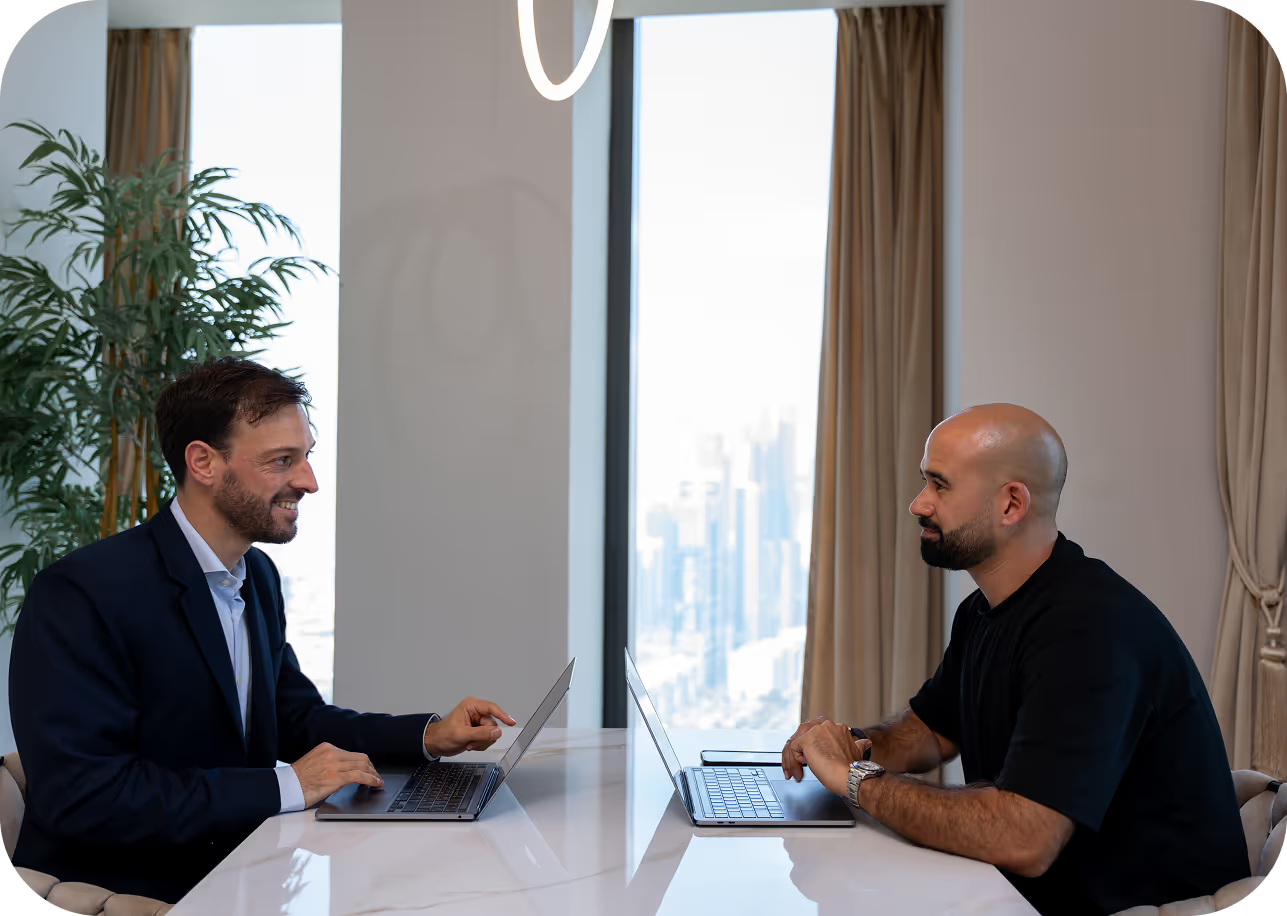
Luxury property owners typically work with management partners rather than service providers.
Partnership characteristics include alignment on standards and expectations, proactive communication and strategic planning, flexibility to accommodate owner needs, and long-term orientation rather than transactional approach.
Look for luxury hospitality background including five-star hotel training, premium brand partnerships such as Marriott Bonvoy, demonstrated success with comparable properties, and references from other luxury owners.
This isn't a vendor selection — it's a partnership decision.
Revenue Alongside Protection
Fully managed luxury services deliver strong financial performance without compromising asset protection. A Downtown 3-bedroom property with Burj Khalifa views generates AED 442,000 annually, approximately 44% total ROI — while maintaining premium standards and full compliance.
Revenue optimisation and asset protection aren't competing priorities. With the right management, they reinforce each other.

Who This Approach Serves
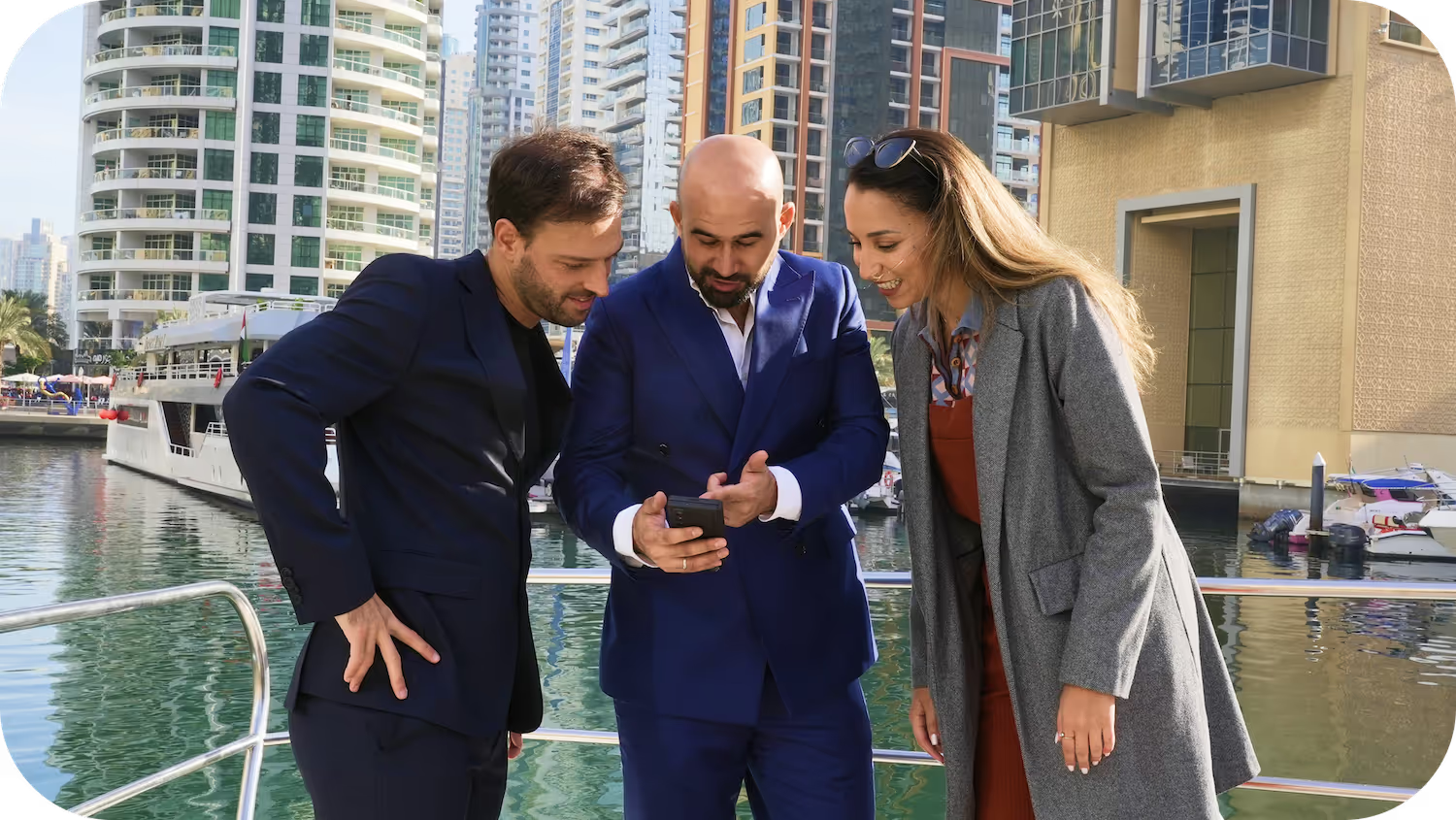
Fully managed luxury services suit owners who own premium properties in Dubai's most exclusive areas, prioritise asset protection alongside revenue, value reputation and discretion, expect excellence without personal operational involvement, and think long-term about their property investment.
They may suit less well for owners who prioritise lowest management cost over service quality, want direct control over daily operations, or are comfortable with standard rather than luxury guest experiences.
Understanding these distinctions ensures appropriate expectations.
The Investment Perspective
Fully managed luxury services represent investment, not expense: protected asset value through professional care, preserved reputation through consistent excellence, optimised revenue through premium positioning, reduced stress through complete delegation, and long-term sustainability versus short-term extraction.
For luxury property owners, this investment typically returns multiples of its cost.
Explore Luxury Management
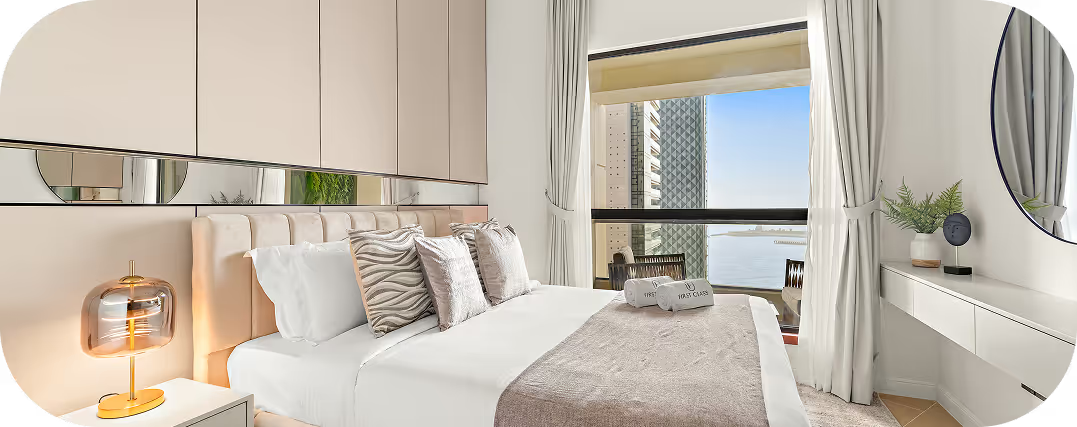
If you own a premium property in Dubai and are considering short-term rentals, understanding management options designed for the luxury segment is the essential first step.
Look for a partner who’s proactive, transparent, and aligned with your goals.