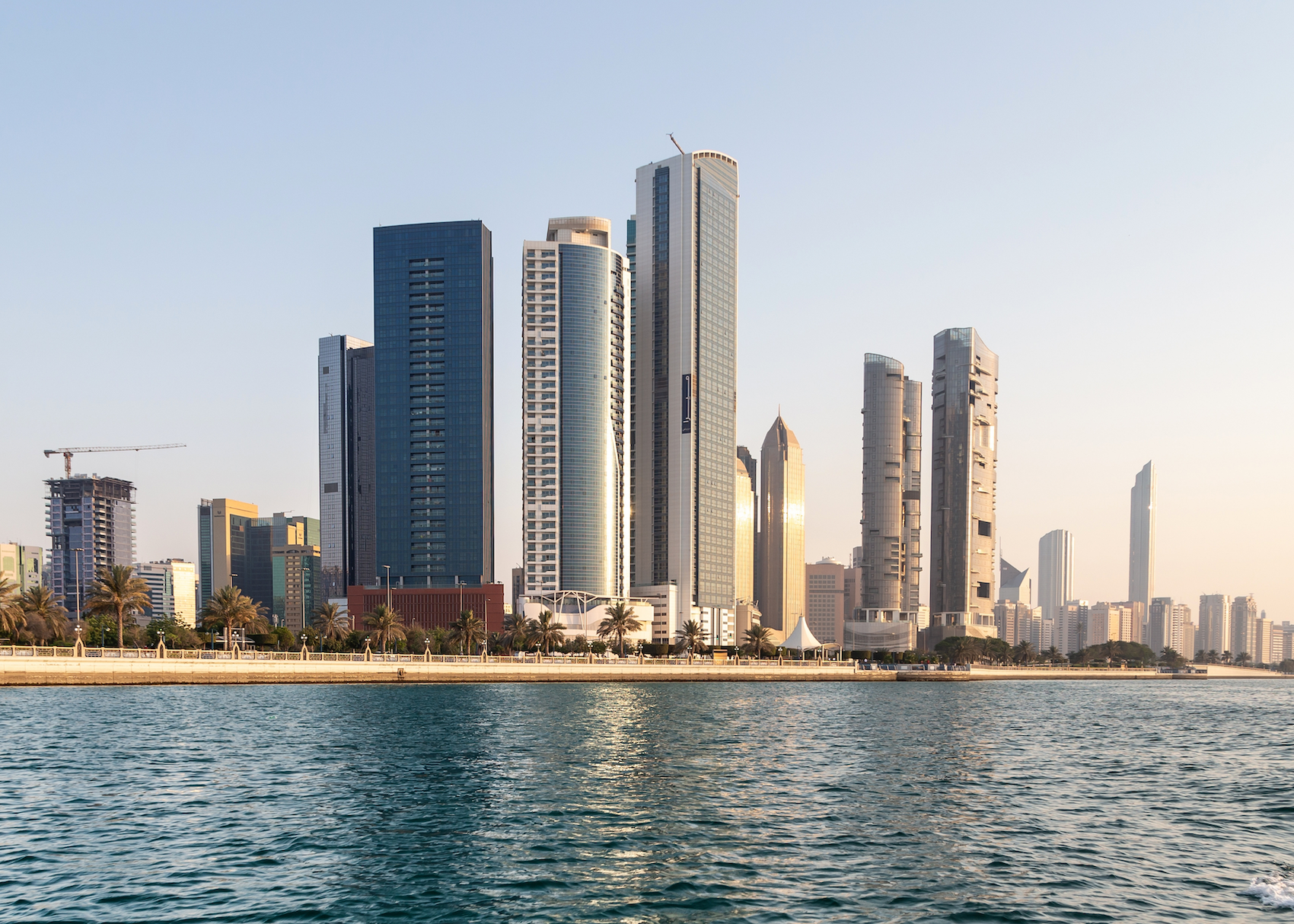
Why Dubai Attracts International Property Investors
Over 16 million annual visitors create consistent short-term rental demand across seasons.
Dubai sits strategically between Europe, Asia, and Africa, accessible from virtually anywhere. Corporate travel, conferences, and relocations drive demand beyond leisure tourism. The established DTCM holiday home licensing provides a legitimate operating structure. No income tax on rental earnings attracts investors from higher-tax jurisdictions. And freehold ownership is available to foreign nationals in designated areas.
The fundamentals support international investment. Execution determines whether that potential converts to actual returns.
The Passive Income Question
"Passive income" suggests money arriving without effort. That's not how short-term rentals work — at least not by default.
Revenue generation requires continuous guest bookings, dynamic pricing optimisation, platform management and visibility, guest communication and service, cleaning and turnover after every stay, maintenance and property care, and DTCM compliance and documentation.
What makes it passive is delegating all of the above to professionals who handle it regardless of your location. The income can be passive. The operation cannot be. The question is who operates.


Challenges Overseas Owners Face
Distance creates specific operational challenges.
Time zone complications mean guest enquiries arrive at all hours, response time affects bookings and reviews, and you can't always be available. Maintenance coordination becomes difficult because issues require local resolution and coordinating vendors remotely is frustrating and inefficient. Quality control suffers because you can't inspect between guests and standards can slip without oversight. Compliance management demands ongoing attention for DTCM requirements including guest registration, tourism fees, and licence renewals. Platform dependency means account issues or policy changes require immediate response, and distance slows reaction time.
Owners who underestimate these challenges often find their "passive investment" consuming significant time and attention.
What Professional Management Solves
For overseas owners, professional management isn't convenience — it's the mechanism that makes remote ownership viable.
Operations handled entirely include guest communication across time zones, booking management and platform optimisation, cleaning coordination and quality control, maintenance response and vendor management, and check-in and check-out processes.
Compliance managed completely covers DTCM licensing and renewals, guest registration for every stay, tourism fee collection and remittance, and regulatory monitoring and adaptation.
Financial transparency provided includes monthly statements with full visibility, on-time owner payouts, and clear reporting on revenue, occupancy, and costs.
This is what converts property ownership into actual passive income.
Performance Expectations
Short-term rentals generate approximately 27% higher returns than long-term leases in prime locations. Professionally managed properties in key areas achieve 94% occupancy year-round. High service standards produce strong reviews essential for visibility and pricing power.
These results require professional execution. They don't happen automatically.
Risk Considerations
Market risk means demand fluctuates with economic conditions, travel patterns, and competition. Regulatory risk means rules can change and compliance requirements may increase. Platform risk comes from dependence on Airbnb or Booking.com and exposure to their policy decisions. Operational risk means poor management damages reviews, revenue, and asset condition. Currency risk affects how AED earnings convert to home currency at fluctuating rates.
Professional management significantly mitigates operational risk — the factor most within your control.


Who Dubai Holiday Homes Suit
Dubai holiday homes work well for overseas owners who seek rental income with asset appreciation potential, value flexibility over guaranteed fixed returns, are comfortable delegating operations completely, prioritise compliance and long-term asset protection, and understand that "passive" requires active professional management.
They may suit less well for owners who want zero involvement but also zero management fees, expect guaranteed returns regardless of market conditions, are uncomfortable with any operational delegation, or prioritise lowest cost over performance quality.
Clarity on these distinctions prevents mismatched expectations.
Structuring for Success
Overseas owners who succeed typically partner with experienced local management from the start, accept that management fees are investment rather than cost, maintain reasonable involvement through reporting and communication, think long-term rather than optimising for immediate returns, and prioritise compliance and asset protection over short-term gains.
This approach converts Dubai property ownership into the passive income opportunity the market genuinely offers.

Evaluate the Opportunity
Considering Dubai holiday homes as an overseas investment? An assessment can clarify realistic returns, management requirements, and whether this market fits your investment objectives.
Look for a partner who’s proactive, transparent, and aligned with your goals.