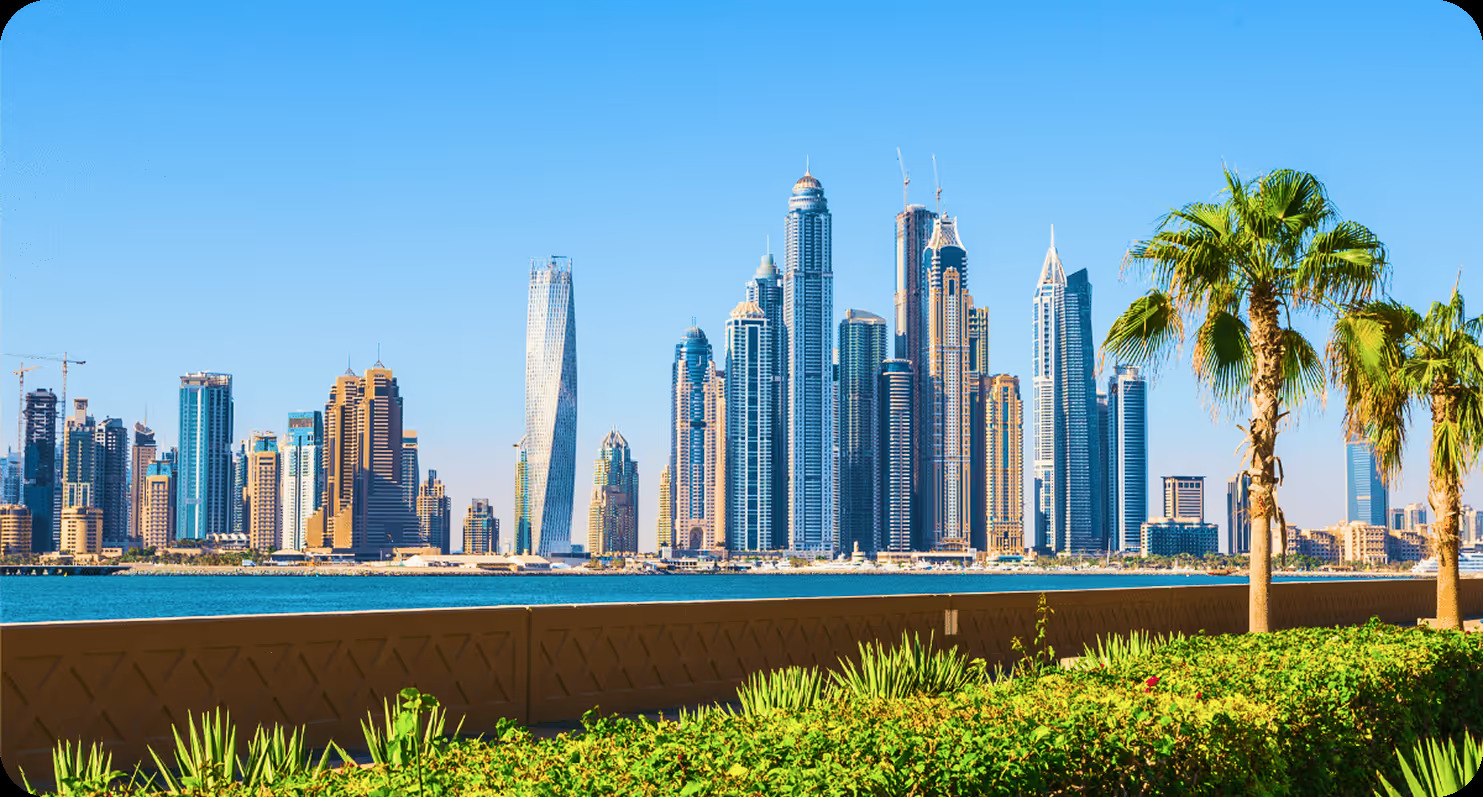
Palm Jumeirah accounts for a large share of Dubai's villa stays, and villa properties carry a few considerations that apartment stays do not.
Private pools are not lifeguarded. This is the single most important point for families booking a villa. Check for pool fencing and depth markings on arrival, and treat supervision of children as the guest's responsibility throughout the stay.
Beach access varies by property. Frond villas often have direct beach steps, while trunk properties generally use the public beach. Swimming conditions are usually calm inside the crescent, though there are no lifeguards on private stretches.
Distances are longer than they look. The Palm is spread out, so a walk that appears short on a map can take considerably longer in summer heat, and a taxi or the monorail is often the sensible choice. Guests planning their days will find the nearby Palm Jumeirah attractions set out separately.
Insurance: What Should Be Covered
Professionally managed properties carry insurance protecting owner and guest alike. At minimum that means home contents cover for furnishings and fixtures, third-party liability cover for injury or incident on the property, and building cover, which usually sits within the building's master policy.
An operator unable to confirm insurance cover is a reason for caution. Accidents do happen, whether a slip beside a pool, a water leak affecting personal belongings, or an electrical fault, and insurance is what separates a manageable incident from a serious problem.
Health and Safety Basics for Your Stay
Water. Dubai's tap water is treated to a safe standard, though most residents and visitors drink bottled or filtered water, and a managed property is generally stocked with bottled water on arrival.
Sun exposure. The UV index is extreme from May to September, and sunscreen, hydration, and shade through the middle of the day matter more than most visitors expect. This affects more trips than any security issue.
Emergency numbers. Police 999, ambulance 998, and fire 997, all free to call from any phone, with responsive and professional emergency services behind them.
Pharmacies and medication. Pharmacies are widespread and open late, and many medications requiring a prescription elsewhere are available over the counter. Some medications legal in other countries are controlled or prohibited in the UAE, so travelling with the original prescription and checking the controlled substances list beforehand is advisable.
What to Do If Something Goes Wrong
Contact the management company first. Professionally managed properties run guest support around the clock, and maintenance faults, lockouts, cleanliness concerns, and neighbour issues are handled as part of the service.
Document the problem. Photographs with the time and date protect the guest's position if the issue needs escalating through the booking platform or a refund becomes necessary.
Use the platform's resolution process. Booking platforms operate formal dispute processes, and raising a financial dispute through the app is more effective than pursuing an unresponsive host directly.
Contact the authorities where warranted. For genuine safety concerns, Dubai Police and DET can intervene, and a licensed property is accountable to the regulator in a way an unlicensed one is not.
Red Flags to Watch For
- No visible DET licence number
- Professional-looking photographs alongside very few or no reviews
- Pricing dramatically below the market rate for the area
- A request to pay outside the booking platform
- Communication only through personal messaging rather than the platform
- A vague or inaccurate map location
- Reluctance to answer direct questions about licensing or insurance
None of these proves a listing is fraudulent, though each adds risk that is unnecessary when licensed alternatives are widely available.
Browse Verified Dubai Holiday Homes
Choosing a licensed, professionally managed property removes most of the uncertainty from a Dubai booking before the trip begins.
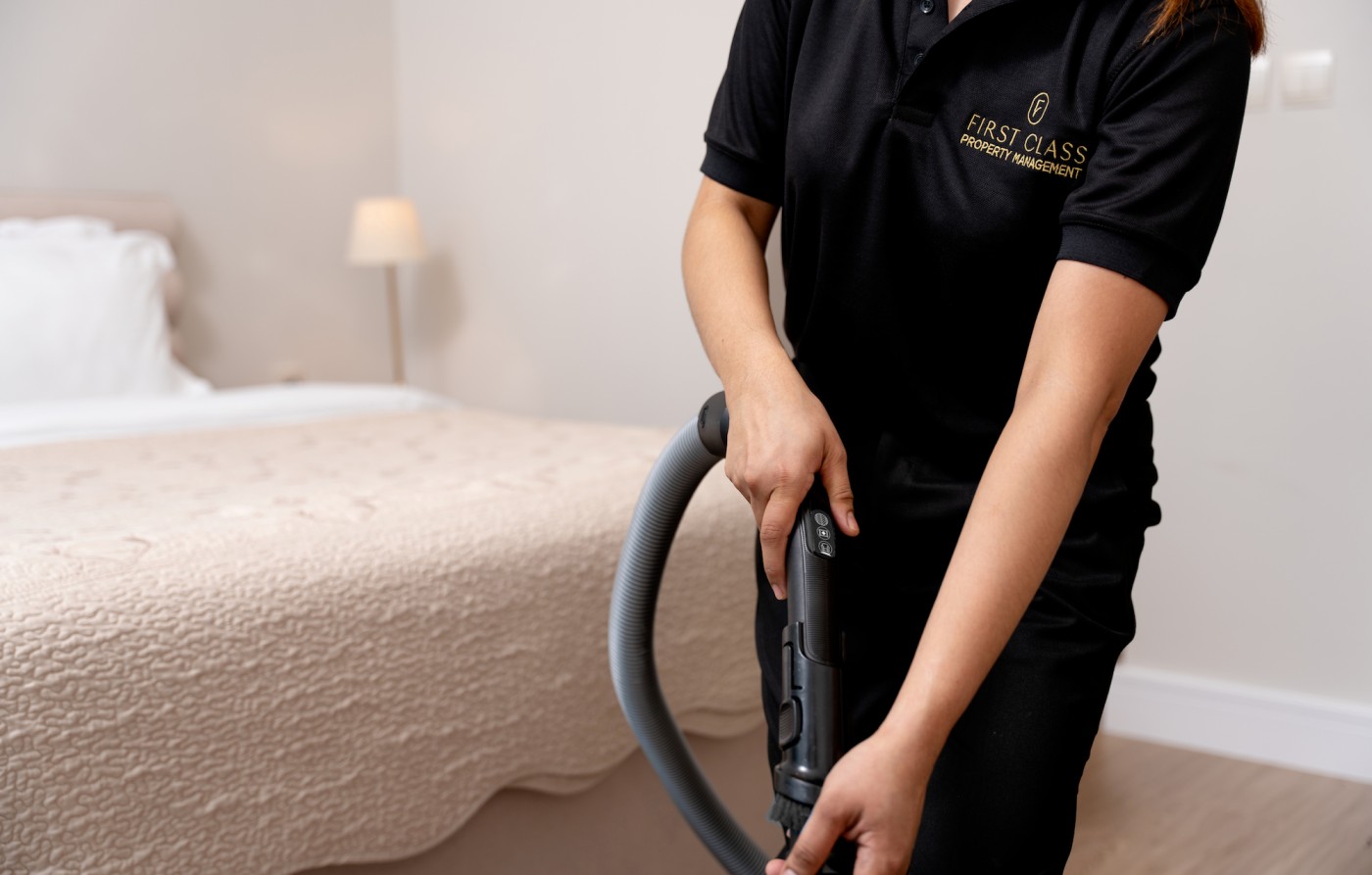
Every First Class Property Management holiday home is licensed, insured, and inspected, supported by a team of more than 160 people with guest support around the clock, and the company has recorded zero DET fines since it was founded in 2020. Browse holiday homes for rent across the city, or compare the beach districts in this guide to holiday homes near the beach.
FAQ
Is Dubai safe for tourists staying in a holiday home? Dubai ranks among the safest cities globally for visitors, with rare violent crime and low rates of petty crime. For holiday home guests the meaningful risk is booking an unlicensed property rather than personal safety, which is why verifying the DET licence before booking matters more than any other precaution.
How do you check a Dubai holiday home is licensed? Licensed properties display a DET permit number on the listing. If none is shown, ask the operator directly. Supporting checks include the operator's review history, whether the map location matches the stated area, and whether cancellation terms are clear and proportionate.
What happens if a property turns out to be unlicensed? Authorities enforce licensing actively and can close a property, which may leave guests without accommodation or a refund mid-stay. Unlicensed operators sit outside the regulatory framework, so there is no recourse through DET and no guarantee of insurance cover.
Are private villa pools supervised? No. Private pools at villa properties are not lifeguarded, so supervision of children rests with the guest throughout the stay. Checking pool fencing and depth markings on arrival is worthwhile, particularly for families booking a villa on Palm Jumeirah or in a gated community.