Other connected technologies, including smart thermostats, leak sensors, and smart meters, remain optional. Each should be judged by the practical value it adds, whether by reducing manual work, preventing damage, or improving oversight of the property.
Where Compliance Starts: The SIRA-Approved Smart Lock
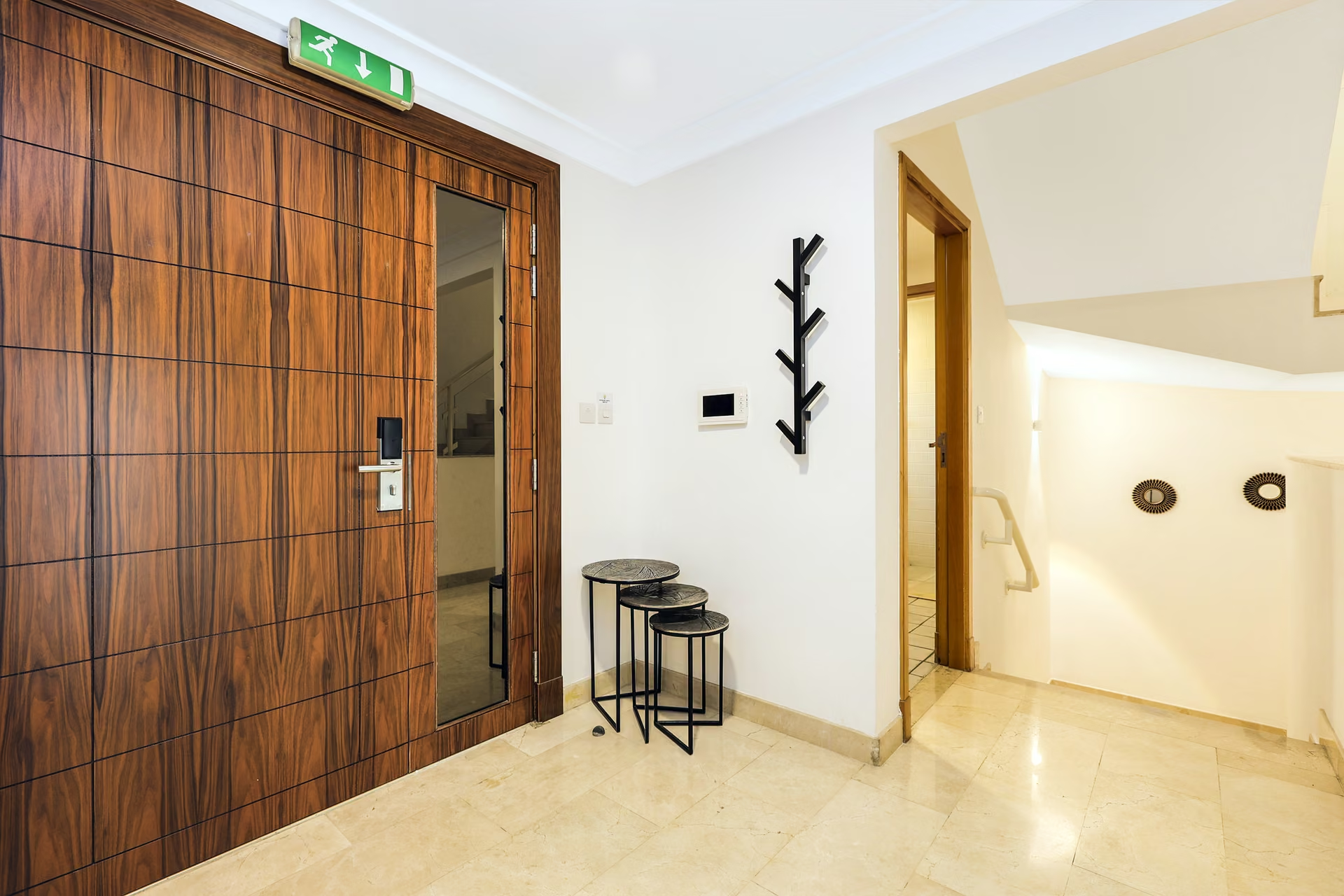
The DET Holiday Homes User Guide sets the technology baseline for a licensed property, and the lock carries a specific technical requirement: approval by SIRA (the Security Industry Regulatory Agency) and connection to the Keyless system, so entry is controlled electronically rather than by a key handed over at the door.
The same guide also covers the safety equipment required alongside the lock, including fire extinguishers, fire blankets, gloves, a torch, a first-aid kit, displayed emergency procedures, and 24-hour maintenance contact details. These items support the property's emergency preparedness and, together with compliant access technology, form part of its wider compliance baseline.
How Does a Smart Lock Change the Airbnb Arrival?
Guests arrive in Dubai around the clock, and a time-limited access code allows them to enter without waiting for a key handover. Issued separately for each booking, activated at check-in, and set to expire at check-out, the code removes the need for a lockbox and makes self check-in more dependable.
That convenience relies on the lock working without interruption. Its battery, connectivity, and access codes should therefore be checked at every turnover. A named contact with remote access should also remain available, ensuring that a failed code or unexpected fault does not leave a guest waiting outside.
Climate Control in a Dubai Summer
Summer places the heaviest load on air-conditioning systems, while occupancy tends to peak in the cooler months, so cooling equipment often works hardest when the property is quietest. A smart thermostat can hold a vacant home at a moderate setting instead of leaving it shut down or cooled as though someone were staying.
Humidity matters as much as heat, since high humidity can encourage condensation, mould, and deterioration in soft furnishings, grout, and sealant, particularly where ventilation is limited. Guest comfort still comes first, so remote visibility for the owner usually works better than a thermostat guests cannot adjust.
Noise Monitoring Requires Disclosure and Careful Placement
Noise monitoring occupies a narrower space than most smart-home technology because it affects guest privacy. Airbnb permits noise decibel monitors that measure sound levels and their duration without recording audio, provided their presence is disclosed in the listing. They may be installed in interior common areas, but not in bedrooms, bathrooms, or other sleeping areas.
Indoor security cameras and recording devices are prohibited on Airbnb, even when switched off. Permitted exterior cameras are subject to separate disclosure requirements and must not monitor areas where guests have a reasonable expectation of privacy.
DET lists smart noise notification systems as optional for Dubai holiday homes. Any device must also comply with applicable law and building rules. In practice, an alert is useful only when it leads to a defined response, such as a named contact calling the guest when an excessive noise level is detected.
Leak Sensors, Smart Metering, and Early Fault Detection
Water damage in an apartment is expensive and quiet, and equipment can fail without warning, so a leak sensor beside a sink or water heater earns its place by how quickly it surfaces a problem rather than by preventing one. Smart metering works the same way at a slower pace, since an unusual consumption pattern between stays may point to a running tap or a cooling system left on.
Neither device replaces scheduled servicing, which follows the equipment manufacturer's instructions and the applicable provider requirements. What they shorten is the gap between a fault starting and someone knowing about it, which is why they sit beside the property's maintenance checklist.
Which Devices Are Worth Fitting First?
Priority runs from what compliance requires, to what protects the property, and only then to comfort. The final column marks where an approved installer or technician is involved.
- SIRA-approved smart lock connected to Keyless system: What It Does: Controls entry electronically and supports compliant self check-in; Fitted By: Approved installer
- Water leak sensor: What It Does: Reports moisture under sinks, beside water heaters, and behind washing machines; Fitted By: Owner
- Smart smoke or heat alarm: What It Does: Sounds in the property and sends an alert to a phone; Fitted By: Qualified technician
- Smart thermostat: What It Does: Holds a vacant property at a moderate setting and reports humidity; Fitted By: Qualified technician
- Sound-level monitor: What It Does: Reports volume in living areas without recording audio; Fitted By: Owner
How Does First Class Property Management Approach Property Technology?
First Class Property Management coordinates the installation and verification of required compliance equipment during onboarding, including the SIRA-approved smart lock, prescribed safety equipment, and DET permit documentation. These requirements are completed before the property is listed. Access codes are then issued for each booking and managed centrally, while alerts from any installed monitoring devices are routed to the appropriate local team for a timely response.
As of July 2026, the company manages more than 700 properties across Dubai, all operating to the same compliance baseline. It has recorded no DET fines since its founding in 2020, providing practical evidence that the required standards are being applied consistently across the portfolio.
Property technology forms one part of the broader operating standard set out in the Dubai holiday home owner's handbook, alongside pricing and housekeeping.
FAQ
Is a smart lock a legal requirement for a Dubai holiday home?
Yes. The DET Holiday Homes User Guide requires every licensed holiday home to have a SIRA-approved smart lock connected to the Keyless system, making it a mandatory part of the property's compliance set-up. It forms part of a broader operational baseline that also includes prescribed emergency equipment and clearly displayed procedures for guests.
What happens if the smart lock fails while a guest is staying?
Many locks give a low-battery warning, though equipment can fail without warning, so the backup route matters more than the alert does. A manufacturer-approved backup access method, a named local contact available at all hours, and a documented escalation route with the installer or building management cover most access failures.
Can a holiday home owner in Dubai use noise monitoring devices?
Yes, provided guest privacy is protected. The device may measure sound levels and duration, but it must not record audio or be placed in bedrooms, bathrooms, or sleeping areas. Its presence must be disclosed before booking, and its use must comply with applicable platform policies, building rules, and privacy requirements.
Do guests expect smart home technology in a holiday home?
Guests mainly expect the basics to work, which means reliable Wi-Fi, cooling that copes with the season, hot water, and simple entry. Technology helps where it removes a step, and it frustrates where a guest needs an app to switch on a lamp.
Owners who would rather not manage devices, codes, and compliance checks from a distance can pass them to a property management service that fits the equipment, monitors the alerts, and keeps the records current.