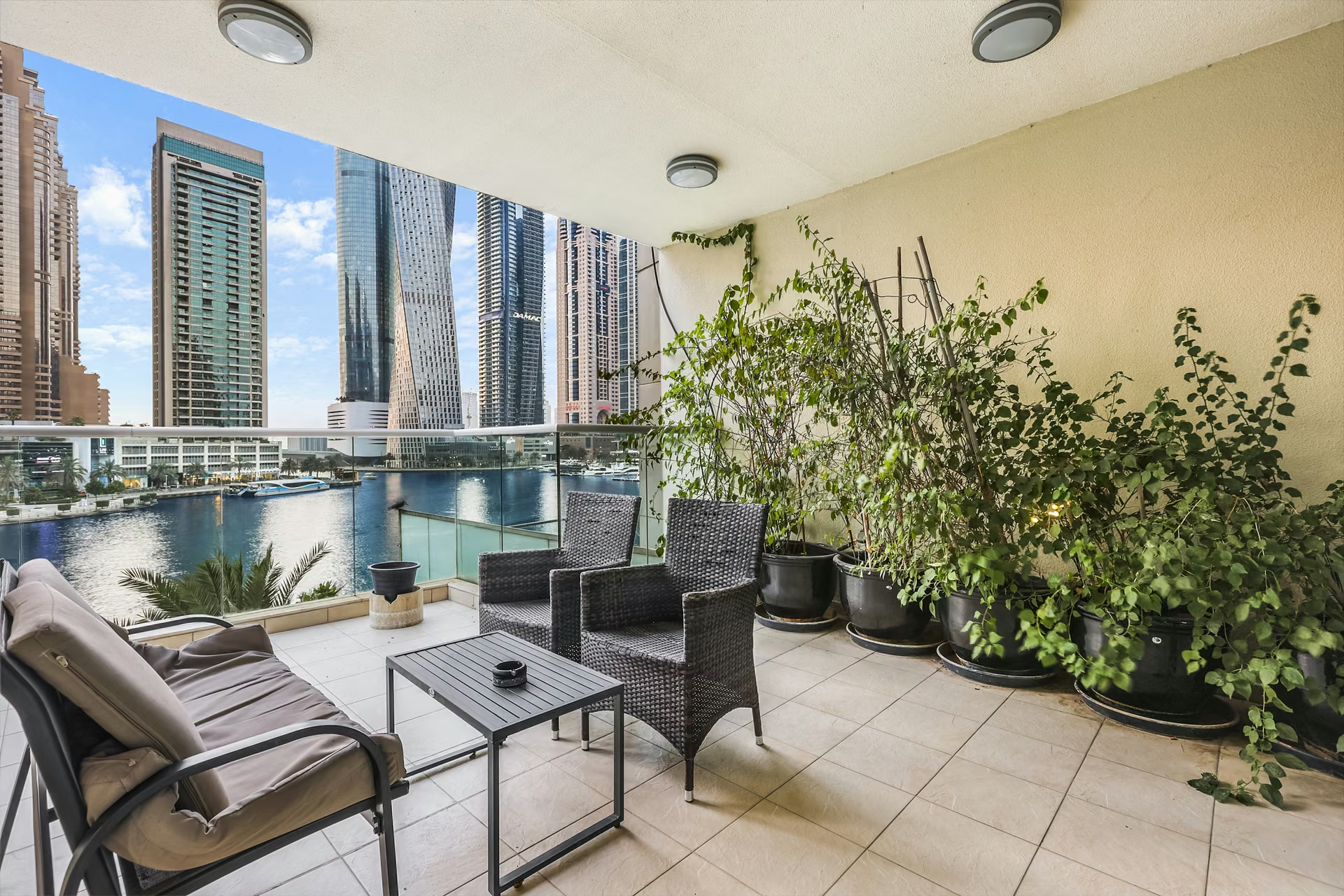
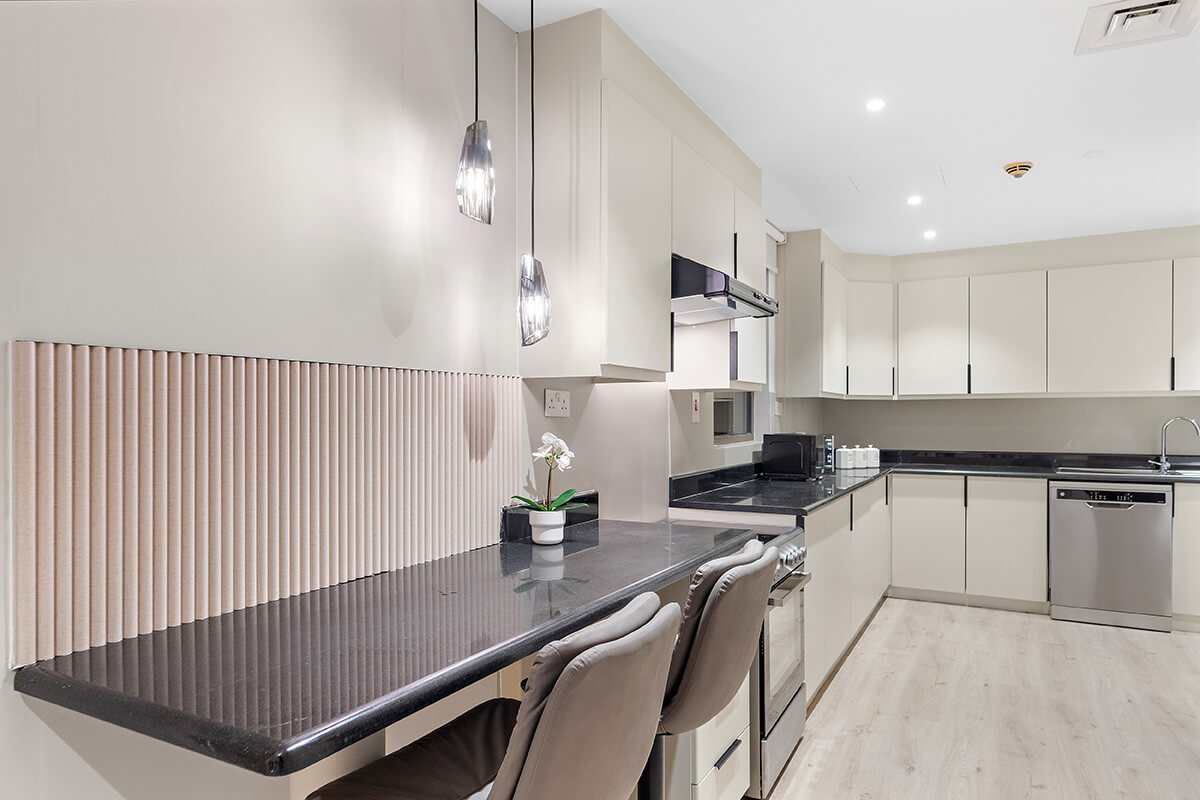
What Guests Notice, and What a Listing Should Claim
Guests comparing several similar properties tend to look at the detail, when sustainability matters to a guest, specific measures are more informative than broad claims. A property that cools efficiently and shows no sign of leaks is both better run and more comfortable to stay in.
A description that names specific measures is more useful to a guest, and safer for the owner, than a broad claim about being green, since a guest who expects something and does not find it tends to mention it in the review. Efficient lighting, a drinking-water filter that reduces reliance on single-use bottles, refillable dispensers, or a recycling point in the building all give a guest something to observe on arrival.
The same eye for detail runs through the wider operating standard in the Dubai holiday home owner's handbook, from pricing through operations to compliance.
Cooling: Efficiency Without Compromising Guest Comfort
Dubai's climate places sustained demand on air-conditioning systems, so cooling offers one of the clearest opportunities to improve a property's energy efficiency. A unit with clean filters, clear vents, and a recent service usually cools more efficiently than one left unattended, which is why the cooling system sits near the top of any maintenance checklist built for this market.
Simple measures reduce the load on the system: closing blinds against direct afternoon sun, checking door and window seals for gaps, and setting a sensible default temperature before each arrival. Comfort comes first, so efficiency belongs in the equipment and the settings rather than in limits placed on the stay.
Dust and humidity add their own pressure, since airborne sand settles into vents and filters while high humidity can encourage condensation where ventilation is limited. Those effects belong to the wider question of property maintenance in Dubai's climate rather than to efficiency alone.
Water Use and Laundry Practice Between Stays
Water is easier to lose than to notice, since a running cistern or a leaking connection under a sink can continue for weeks in a property standing empty between bookings, which is why a short water check belongs in every turnover.
Laundry works differently, because linen and towels are changed between every stay as a hygiene standard rather than a choice. The improvement lies in how that laundry is run: full loads rather than part loads, temperatures matched to the item, and handling that keeps linen in service longer.
Longer stays allow a little more flexibility, since a guest staying a week or more can be offered a mid-stay towel change rather than a daily one, framed as an option rather than a house rule.
Which Furnishing Choices Reduce Waste Over Time?
A holiday home sees a higher rate of turnover than a residential let, so its furnishings work harder and show wear sooner, which makes durability a better guide at the outset than price alone.
- Fabrics and finishes: materials that withstand repeated cleaning without fading or deteriorating
- Seating: modular or repairable pieces where one element can be replaced
- Soft furnishings: spare covers and cushion inserts, so a worn item is refreshed rather than discarded
- Lighting: efficient bulbs, with a matched set held in storage
Wear also arrives unevenly across a property, which is why furniture replacement is better planned around the condition of each piece than around a fixed calendar.
How Does First Class Property Management Support Sustainable Operations?
First Class Property Management incorporates efficiency checks into the same operational cycles used for turnover and maintenance. Between stays, teams check for visible leaks and running cisterns, while scheduled maintenance covers air-conditioning filters, vents, seals, and servicing. In-house laundry gives the company direct control over load planning, wash settings, and linen condition, allowing resources and replacement cycles to be managed more carefully.
Furniture and soft furnishings are reviewed by condition, with professional cleaning, repair, or reupholstery considered before replacement where practical. Across more than 700 properties as of July 2026, standardised checklists and maintenance records help apply these routines consistently. They do not make every property sustainable by default, but they can reduce avoidable water and energy use, limit premature disposal, and protect guest comfort.
FAQ
How much does sustainability matter to guests booking a holiday home?
It varies from guest to guest, so sustainability rarely decides a booking on its own, though it often adds to the impression a listing creates. It tends to register through the stay itself, in cooling that works properly and a property that has clearly been looked after.
Does running a holiday home sustainably cost more?
It depends on the measure. Some changes involve upfront spend, such as replacing an ageing appliance or fitting better window seals, while others cost nothing beyond attention, such as fixing a leak promptly. Lower consumption may recover some or all of the initial cost over time, depending on the measure and how heavily the property is used.
Should guests be asked to help with energy and water use?
An invitation tends to work better than an instruction. A short note in the welcome guide works well when it explains the reason and leaves the choice with the guest, for example inviting guests to report a dripping tap or to switch off lights when going out. Requests framed as restrictions may be less well received, so guest-facing guidance should remain brief, practical, and proportionate.
Owners who would rather have these routines run consistently can place cooling, laundry, water checks, and furnishing upkeep under one property management service.