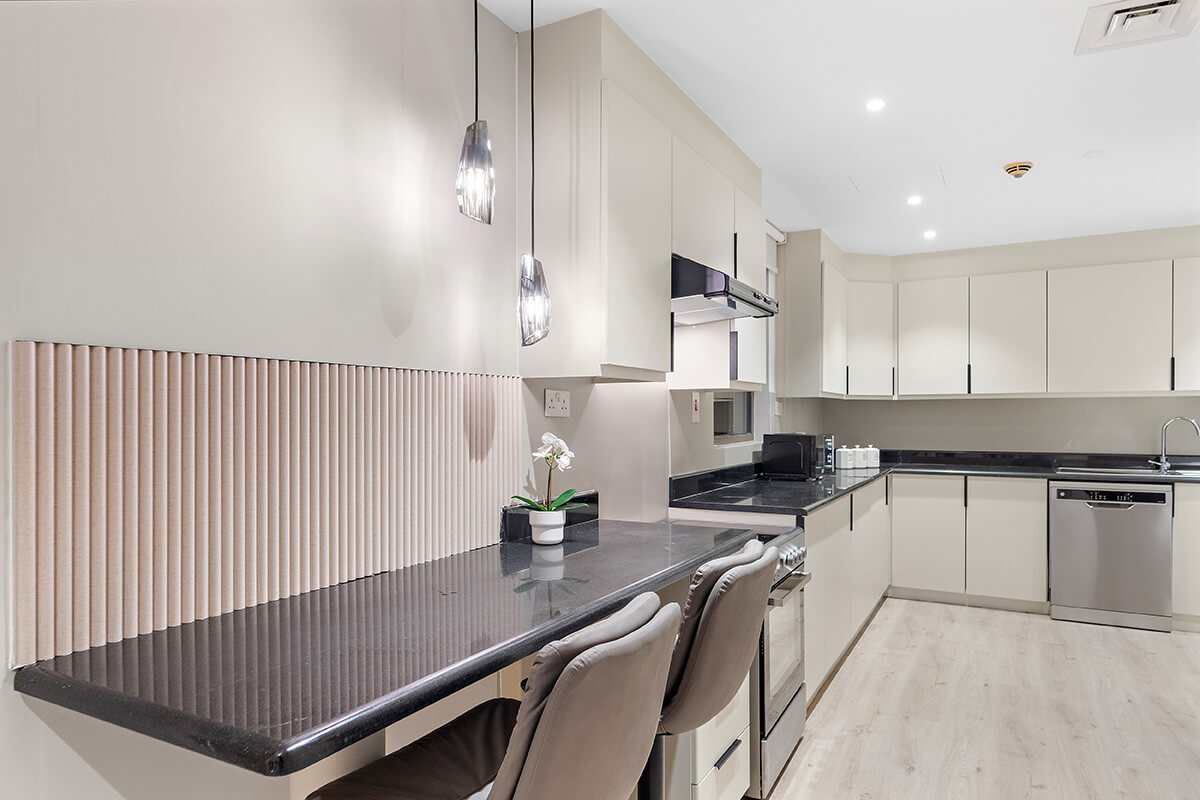
Not All Amenities Are Equal. Some Make Money. Some Just Cost It

Top Amenities That Boost STR Earnings in Dubai

7

 min read

Every property owner considering STR asks the same question: what should I invest in? The answer isn't "everything." Some amenities directly increase bookings, nightly rates, and review scores. Others look impressive but don't move the needle. And a few that seem minor actually have outsized impact on guest satisfaction and revenue.

This guide ranks amenities by what they actually deliver financially, based on what guests search for, what drives reviews, and what separates high-performing listings from average ones in Dubai's market.

Tier 1: Non-Negotiable. Without These, You're Losing Bookings.

These aren't competitive advantages. They're baseline requirements. Missing any of these means guests filter your property out before they ever see it.

Reliable, fast Wi-Fi. Not "available." Fast. Guests test it immediately. Business travellers, remote workers, and families streaming content all expect consistent high-speed connectivity. A slow or unreliable connection is one of the most common causes of negative reviews that mention something specific. Budget for business-grade internet, not residential.

Quality AC throughout. Dubai makes this obvious, but "quality" matters as much as "present." Guest complaints about temperature are among the most frequent in-stay issues. AC that struggles in summer, produces noise, or cools unevenly across rooms generates complaints that tank reviews. Service your AC units before every peak season and inspect between stays.

Hotel-grade linens and towels. Guests compare your property to the last hotel they stayed in. If your sheets feel cheap or your towels are thin, it shows up in reviews. White, high-thread-count bed linen and thick, fresh towels cost more upfront but pay for themselves through review scores. Replace them on a regular cycle, not when they're visibly worn.

Professional cleaning standards. Not an amenity in the traditional sense, but guests treat it as one. "Cleanliness" is the single most mentioned category in STR reviews globally. Hotel-grade cleaning between every stay is what maintains a 4.9+ rating. This isn't where you save money.

Fully equipped kitchen. Plates, cutlery, cookware, a working oven, a microwave, a coffee machine, basic spices and oils. Families and longer-stay guests rely on the kitchen. An empty or poorly equipped kitchen frustrates guests who planned to cook and results in reviews mentioning it specifically.

Tier 2: Revenue Drivers. These Directly Increase What You Can Charge.

These amenities allow you to command higher nightly rates or access guest segments that pay more.

Private pool. The single most valuable amenity for villas. Pool access is one of the most-used search filters on Airbnb and Booking.com. Properties with private pools consistently outperform those without in both rate and occupancy. Maintenance costs are real but the revenue premium covers them comfortably in most cases.

Outdoor space with furniture. A balcony, terrace, or garden with quality outdoor furniture extends the living area and photographs well. In Dubai's climate, outdoor space is usable for eight months of the year. Listings with appealing outdoor images get more clicks. More clicks mean more bookings.

Dedicated workspace. A proper desk and ergonomic chair in a quiet area, not a kitchen counter. Business travellers and remote workers actively filter for this. The investment is minimal (AED 1,000 to 2,000) but it opens your property to an entire guest segment and enables longer weekday stays.

Parking. Especially for villas and properties outside walkable areas. Many Dubai visitors hire cars. Secure, covered parking is a genuine differentiator in areas where street parking is limited or building parking requires coordination. List it prominently.

Washer and dryer. Consistently among the most-searched amenities for stays of five nights or more. Families and longer-stay guests need laundry facilities. Properties that offer them convert better with these segments. A compact washer-dryer costs AED 2,000 to 4,000 and pays for itself quickly.

No items found.

Tier 3: Review Boosters. Low Cost, High Impact on Guest Satisfaction

These don't necessarily let you charge more per night, but they drive the five-star reviews that compound into higher revenue over time.

Coffee machine with quality coffee. A Nespresso or similar pod machine with a selection of capsules. Costs under AED 500 to set up and appears in positive reviews constantly. Guests mention good coffee more than almost any other small amenity.

Blackout curtains in bedrooms. Dubai gets bright early. Guests who can't sleep past dawn leave reviews mentioning it. Blackout curtains or quality blinds in every bedroom solve the problem permanently for a modest investment.

Phone chargers and adapters. Multi-plug charging stations or built-in USB charging points beside beds and at the workspace. International guests arrive with wrong adapters. Providing them eliminates a common friction point.

Welcome essentials. Bottled water in the fridge, basic pantry items (tea, coffee, sugar, oil), toiletries beyond the bare minimum. These cost AED 50 to 100 per stay and consistently generate "thoughtful touches" mentions in reviews.

Smart TV with streaming access. A TV that guests can log into their own Netflix, YouTube, or streaming accounts. Physical remotes that work. Clear instructions. Entertainment is expected, and fumbling with an unfamiliar system creates unnecessary frustration.

Iron and ironing board. Business travellers need them. Families use them. Missing one generates disproportionate annoyance. Keep them in every property.

Tier 4: Diminishing Returns. Nice But Not Worth Over-Investing.

These are the amenities owners often overspend on without proportional revenue impact.

Designer furniture and luxury interiors. Premium furnishing matters to a point. Beyond that, guests don't pay meaningfully more for a AED 15,000 sofa versus a AED 5,000 one that looks equally good in photos. Invest in photogenic, durable furniture rather than luxury pieces that photograph the same but cost three times more and are more expensive to replace.

Home cinema systems. Impressive in person but rarely mentioned in reviews and doesn't influence booking decisions. A good smart TV achieves 90% of the impact at 10% of the cost.

Hot tubs and jacuzzis. High maintenance cost, compliance considerations, and liability risk. Unless your property is positioned at the ultra-luxury end where a jacuzzi is expected, the operational burden usually outweighs the booking benefit.

Gym equipment. Occasional positive mention in reviews but doesn't drive bookings. Most Dubai guests have access to building gyms or hotel fitness centres nearby. A yoga mat and resistance bands in a cupboard costs almost nothing and satisfies the guests who actually want to exercise.

No items found.

The Amenity-Review-Revenue Loop

The financial case for amenities isn't just about charging more per night. It's about the compounding effect on reviews.

Properties rated 4.92 on Airbnb earn approximately AED 156,000 per year. Properties below 4.50 in the same building earn AED 117,000. That 25% revenue gap is driven by guest experience, and guest experience is largely shaped by amenities and service quality.

Every five-star review improves your average. Every improved average increases your search ranking. Every ranking improvement increases visibility. Every visibility gain increases bookings. The loop compounds over months and years.

The amenities that drive reviews aren't always the expensive ones. A great coffee machine, blackout curtains, and quality linens collectively cost less than one designer armchair and generate far more five-star mentions.

Furnishing Budget: Where to Allocate

For owners setting up or refreshing a property for STR, here's a practical allocation framework:

Prioritise first: Quality mattresses and bed linen, reliable AC servicing, fast Wi-Fi setup, professional kitchen equipment, good bathroom fixtures and towels. These are the foundations.

Invest second: Outdoor furniture, workspace setup, smart TV, washer-dryer, blackout curtains. These are the differentiators.

Add last: Decorative touches, artwork, designer lighting, entertainment systems. These polish the product but don't drive bookings on their own.

Professional furnishing guidance for a full three-bedroom setup typically runs AED 120,000 to 135,000 when done to guest-ready standards. That sounds significant, but the alternative is furnishing piecemeal, discovering what's missing through bad reviews, and spending more fixing problems than you would have spent getting it right first time.

Get Professional Furnishing Guidance for Your Property

Not sure what your property needs to compete in Dubai's STR market? Request a furnishing assessment and get specific recommendations based on your property type, target guest segment, and budget. The right amenities in the right property deliver measurable returns.

Top Amenities That Boost STR Earnings in Dubai

7

 min read

Experience stress-free property management with our top-tier service.

Estimate your revenue

Short-Term vs Long-Term Rentals in Dubai
Which Deliver
Better ROI?

4 min read

Dubai's Rental Dilemma

Dubai’s dynamic property market presents a clear choice for owners: stick with traditional long-term tenants or tap into the booming short-term rental market through platforms like Airbnb and Booking.com. But which option really gives you the best return on investment? With Dubai’s tourism on the rise and changing tenant behaviour, understanding the differences between short-term and long-term rentals can help you make a smarter decision for your property and your income goals.

View of a city skyline with a luxury vehicle

Why the Shift Matters Now

Dubai's economy and tourism sector are experiencing remarkable growth, making this a pivotal moment for property investors. The city's Department of Economy and Tourism (DET) reported a record-breaking 18.72 million international overnight visitors in 2024, a 9% increase over the previous year. This surge, coupled with a strategic push to diversify the economy and the rise of remote work, has created a golden opportunity for property owners.

What is Short-Term Rental in Dubai?

Short-term rentals typically refer to fully furnished properties available for stays ranging from a few days to several months. Dubai’s popularity as a global tourist and business hub has fueled demand for short-term accommodation options, attracting both holidaymakers and corporate travellers. Licensed through Dubai’s Department of Tourism and Commerce Marketing (DTCM), short-term rentals must meet specific quality and safety standards, giving owners a regulated legal path to higher earnings.

For landlords, this means the flexibility to adjust rates, use their property between guest bookings, and potentially earn up to 20–30% more than with a year-long lease. However, short-term rentals do require more active management, guest support, and regular maintenance, which is why many property owners turn to a specialist like First Class Property Management to take the hassle away.

What is Long-Term Rental in Dubai?

A long-term rental in Dubai usually involves a 12-month Ejari-registered tenancy agreement, with many landlords offering unfurnished apartments or villas. This traditional route attracts residents, families, and professionals looking for stability and predictable housing costs. Long-term contracts can be appealing because they guarantee occupancy and steady cash flow, reducing the stress of managing constant guest turnover.

However, these leases come with their own challenges: finding reliable tenants, handling maintenance issues, and being tied to fixed rental prices for a full year - even if the market shifts. Owners must also factor in overhead costs such as security deposits, agency fees, and annual housing fees.

Key Differences in Commitment & Flexibility

Short-term rentals offer maximum flexibility, letting owners reclaim their property for personal use between bookings. These arrangements usually include furnished spaces, housekeeping, and even concierge-style services. Platforms like Airbnb make marketing straightforward, but guest turnover requires ongoing time or a professional manager.

Long-term rentals, meanwhile, lock you into a yearly lease with fewer interruptions. You’ll typically leave tenants to handle their own bills and basic upkeep. However, if you need to move back in or sell unexpectedly, early lease termination can be costly and complicated.

What is Short-Term Rental in Dubai?

Short-term tenants expect a “home away from home” - modern furnishings, equipped kitchens, strong Wi-Fi, and even premium extras like Netflix subscriptions or a welcome basket. First Class, for instance, uses its expert designers to stage properties to five-star hotel standards, creating a guest experience worthy of a 4.9 Superhost badge.

Long-term tenants usually bring their own furniture and sign for utilities in their name. While this means fewer upfront costs for the landlord, it can lower the property’s appeal to potential guests or premium renters in Dubai’s competitive market.

Final Thoughts

There is no one-size-fits-all answer. If you value stability, long-term rentals can be a safe bet. But if you want higher returns, flexibility, and the ability to adjust with Dubai’s booming tourism trends, short-term rentals can be a powerful strategy.

First Class Property Management offers a proven system - with luxury staging, seamless guest support, and 27% higher returns - to help property owners unlock the full earning potential of Dubai’s short-term rental market. Connect with our team to see how you could elevate your investment, stress-free.

How to Maximize Your Airbnb Earnings in Dubai - A Data-Backed Guide

5 min read

Stand Out in Dubai's Airbnb Market

Airbnb in Dubai is not just popular - it’s booming. But to stand out among thousands of listings and truly maximize your profit, you need to go beyond simply uploading photos and setting a nightly price. As a property owner, you can capture more bookings, higher nightly rates, and five-star reviews with a smart, data-led approach. Let’s dive into the strategies that will help you achieve that.

Understand the Dubai Airbnb Landscape

Dubai attracts millions of visitors every year, making it a perfect short-let hotspot. However, this also means intense competition. Tourist seasons, Expo events, and global conferences create surges in demand, while quieter months can see occupancy dip. Successful hosts stay ahead of these patterns with dynamic pricing and by partnering with expert management firms like First Class, who have proven systems to maintain 90%+ occupancy year-round.

Additionally, remember Dubai requires all short-term rentals to be licensed with DTCM, ensuring full compliance. Working with a professional operator guarantees your listing meets these strict requirements.

Dynamic Pricing: Don’t Leave Money on the Table

Too many Dubai hosts stick with a single rate throughout the year. This leaves profit on the table. Instead, dynamic pricing allows you to change nightly rates based on: Real-time demand, Competitor pricing, Local events, Holiday periods.

Using advanced software or a management partner’s pricing team can help you earn 20–30% more revenue. First Class, for example, uses data-driven algorithms to optimise rates daily, balancing maximum occupancy with top-tier nightly returns.

Invest in Guest-Ready Property Features

Travellers expect more than a place to sleep - they want an experience. Dubai’s Airbnb guests in particular are drawn to properties with luxury finishes, modern appliances, fast Wi-Fi, and hotel-level cleaning. Upgrades like smart locks, automated lighting, and energy-efficient appliances boost appeal while making operations smoother.

First Class ensures all managed properties meet a five-star standard, which is why the average review scores stand above 97.8% - a powerful signal that great features equal higher profits.

View of a city skyline with a luxury vehicle

Master the Guest Experience

Great reviews drive repeat bookings and a stronger Airbnb ranking. That means you must go beyond simple hospitality: offer easy check-in and check-out, communicate proactively, resolve issues fast, provide local recommendations, add personal touches like welcome hampers.

First Class uses a dedicated Guest Experience Manager and 24/7 support so guests feel valued, cared for, and eager to book again. This strategy is what keeps review scores sky-high and maximizes repeat stays.

Automate to Simplify

Automation is the backbone of any profitable Airbnb operation. Whether it’s syncing calendars to avoid double-bookings, scheduling cleaners, or sending automated guest messages, modern tools take the stress off your shoulders.

Combined with a management service like First Class - who handles everything from listing photography to guest reviews - automation ensures you can focus on growing your portfolio instead of fighting fires.

Final Thoughts

Dubai’s Airbnb market offers incredible profit potential if you do it right. A professional approach to pricing, luxury interiors, guest experience, and compliance can unlock far higher returns than you’d see from a long-term lease.

First Class Property Management helps property owners achieve up to 27% more revenue with a seamless, full-service solution. If you’re serious about maximising Dubai short-let profits, our expert team is ready to help you make it happen.

Dubai Holiday Home License Explained

What Owners Need to Know

4 min read

Stay Licensed, Stay Booked

Dubai’s booming short-term rental market presents a major opportunity for property owners - but before listing your property on Airbnb or Booking.com, you’ll need to understand the legal requirements. The most important? Getting a holiday home license in Dubai. This guide breaks down the full process, costs, rules, and how to stay compliant in 2025.

What Is a Holiday Home License in Dubai?

A Holiday Home License is a government-issued permit that allows individual homeowners or professional operators to legally rent out furnished properties on a short-term basis. It’s issued and regulated by the Dubai Department of Economy and Tourism (DET, formerly DTCM)

Without this license, you cannot legally operate a holiday home or Airbnb in Dubai.

Who Needs a Holiday Home License?

You’ll need a license if:

- You’re a homeowner looking to rent out your property on a short-term basis

- You’re a tenant renting with a No Objection Certificate (NOC) from your landlord

- You’re a management company running short-let properties on behalf of owners

Only individuals (up to 8 properties) and licensed operators can apply.

How Do I Get a Holiday Home License in Dubai?

Step-by-Step Process:

1

Register on the DTCM Holiday Homes Portal

2

Upload Documents

e.g. title deed, passport copy, Emirates ID, DEWA bill

3

Pay the Application Fee

AED 1,500 for individuals (additional tourism fee applies)

4

Pass Inspection
(if required)

Some units may be reviewed for safety and amenities

5

Receive Approval & Permit Number

You can now list your property on platforms like Airbnb

What Are the Rules for Operating a Holiday Home?

Once licensed, you must:

1

Display the Permit Number on all listings

2

Maintain a guest register for police access

3

Pay the Dubai Tourism Dirham fee

4

Ensure insurance and safety standards are met

Avoid hosting in buildings where short-term rentals are explicitly banned by the building management or developer

What Are the Penalties for Not Having a License?

Operating without a license can lead to:

Fines starting from AED 5,000+

Legal action for unlicensed commercial activity

Loss of trust or complaints from neighbors/residents

Delisting from platforms like Airbnb or Booking.com

Can I Rent Out Multiple Properties?

Yes, but:

- Individuals can license up to 8 units

- For more than 8, you must register as a Professional Operator

- Professional operators must meet additional staffing, office, and record-keeping requirements

Final Thoughts

The Dubai holiday home license process is straightforward - but getting it right is essential. Whether you manage your own listing or hire a professional operator like First Class, staying compliant ensures smooth operations and maximized returns.

Need help managing a
licensed property in dubai?

CONTACT US

Dubai Holiday Home Regulations Explained (2026 Update)

10 min read

Why Regulations Matter More Than Most Owners Realise

Dubai's holiday home regulations aren't bureaucratic obstacles — they're the foundation that separates legitimate operators from those who eventually face fines, suspensions, or forced closure.

With enforcement tightening and regulatory expectations evolving, understanding compliance isn't just about avoiding penalties. It's about protecting your income stream, your asset, and your ability to operate long-term. This guide explains how the regulatory framework works, what's required, and how to stay protected as rules continue to develop.

The Regulatory Authority: DTCM

The Department of Tourism and Commerce Marketing (DTCM) oversees all holiday home operations in Dubai. Their jurisdiction covers licensing and permit issuance, operational standards and inspections, guest registration requirements, tourism fee collection and remittance, and enforcement and penalties.

There are no exemptions for small operators, occasional rentals, or owner-managed properties. The rules apply equally to everyone.

Licensing: The Foundation

Operating a holiday home without a valid DTCM licence is illegal. Full stop.

Anyone renting property short-term in Dubai needs a licence, whether properties are listed on Airbnb, Booking.com, or any platform, or marketed privately. This applies to individual owners and professional operators alike.

The process involves application through the DTCM portal, documentation submission including title deed, ID, and property details, property inspection in some cases, and permit issuance upon approval. With correct documentation, most licences are approved within approximately two weeks. Licences require annual renewal, and lapses create immediate compliance exposure.

Property Eligibility

Not every property automatically qualifies for holiday home licensing.

Eligibility depends on building approval status for short-term rentals, community and master developer rules, safety and access requirements, and property classification and condition. Both apartments and villas can be licensed, but requirements may differ. Some buildings prohibit short-term rentals entirely, while others have specific approval processes.

Verifying eligibility before investing in furnishing or marketing prevents wasted resources.

Guest Registration: The Most Enforced Requirement

Guest registration is where enforcement is most active. Owners must register every guest with DTCM, collect and verify valid identification, submit registration within required timeframes, and maintain accurate records.

Failed registrations are among the most common triggers for penalties. Authorities cross-reference platform bookings against registration records. Automated registration systems eliminate manual errors and ensure every stay is properly documented.

Tourism Dirham Fees

Holiday home operators must collect and remit Tourism Dirham fees. These are charged per room, per night, with amounts varying by property classification. Fees must be collected from guests and remitted to authorities on schedule.

Late payments trigger penalties. Incorrect calculations create audit exposure. Non-remittance can result in licence suspension. This is an area where small errors compound into significant problems, making systematic handling essential.

Fines and Penalties

Dubai actively enforces holiday home regulations. Common triggers for penalties include operating without valid licence, failed or late guest registrations, tourism fee errors or non-payment, breaching building or community rules, and safety standard violations.

Consequences range from financial penalties varying by violation severity, to licence suspension, platform delisting, and in serious cases, forced operational closure. A zero-fines compliance record is only achievable with consistent systems and oversight.

Building and Community Rules

Beyond DTCM requirements, individual buildings and communities may impose additional rules covering short-term rental restrictions or prohibitions, guest access and security procedures, noise and behaviour policies, and parking and common area usage.

Violating building rules can result in fines from building management, complaints triggering DTCM attention, operational restrictions, or forced exit from short-term rental activity. Understanding tower-level policies before committing to a property prevents costly surprises.

2026 Expectations

While specific 2026 regulatory updates are still being finalised, enforcement trends indicate increased scrutiny of guest registration accuracy, tighter auditing of Tourism Dirham compliance, greater coordination between platforms and regulators, and reduced tolerance for operational errors.

Owners relying on informal approaches or hoping issues won't be noticed face increasing risk. The regulatory environment is maturing, not loosening.

Common Compliance Mistakes

Many owners fall into non-compliance unintentionally. Frequent issues include assuming Airbnb handles compliance automatically (it doesn't), missing guest registrations during busy periods, delaying Tourism Dirham submissions, operating during licence renewal gaps, misunderstanding villa eligibility requirements, and ignoring building-specific restrictions.

Each mistake creates exposure. Compounded over time, they create serious operational risk.

How Professional Management Eliminates Risk

Compliance isn't a one-time task — it's ongoing operational discipline. Professional management protects owners through automated guest registration workflows, systematic tourism fee handling, licence renewal tracking, building rule monitoring, audit-ready documentation, and regulatory update monitoring.

Properties under professional compliance management maintain clean records — zero fines, zero suspensions, zero disruptions

The Commercial Case for Compliance

Compliance isn't just about avoiding penalties. It's about protecting income. Licenced properties list on all platforms without restriction. Clean records prevent sudden delisting or suspension. Strong compliance supports premium pricing and guest trust. Regulatory protection becomes a competitive advantage.

Owners who treat compliance as an afterthought eventually pay — through fines, lost bookings, or operational shutdown.

Assess Your Compliance Position

Unsure whether your property meets current requirements? A compliance review identifies gaps, clarifies obligations, and ensures your operation is protected before issues arise. Request an assessment of your regulatory position.

Look for a partner who’s proactive, transparent, and aligned with your goals.